
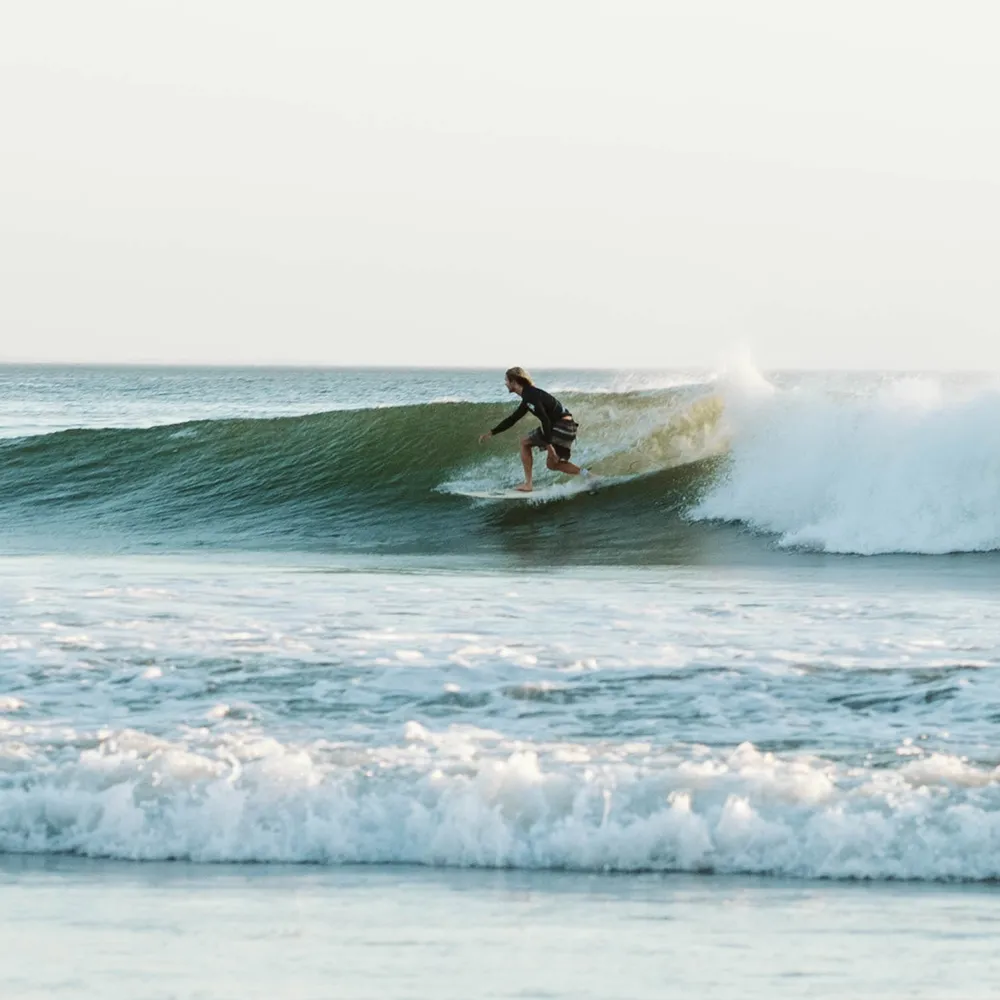
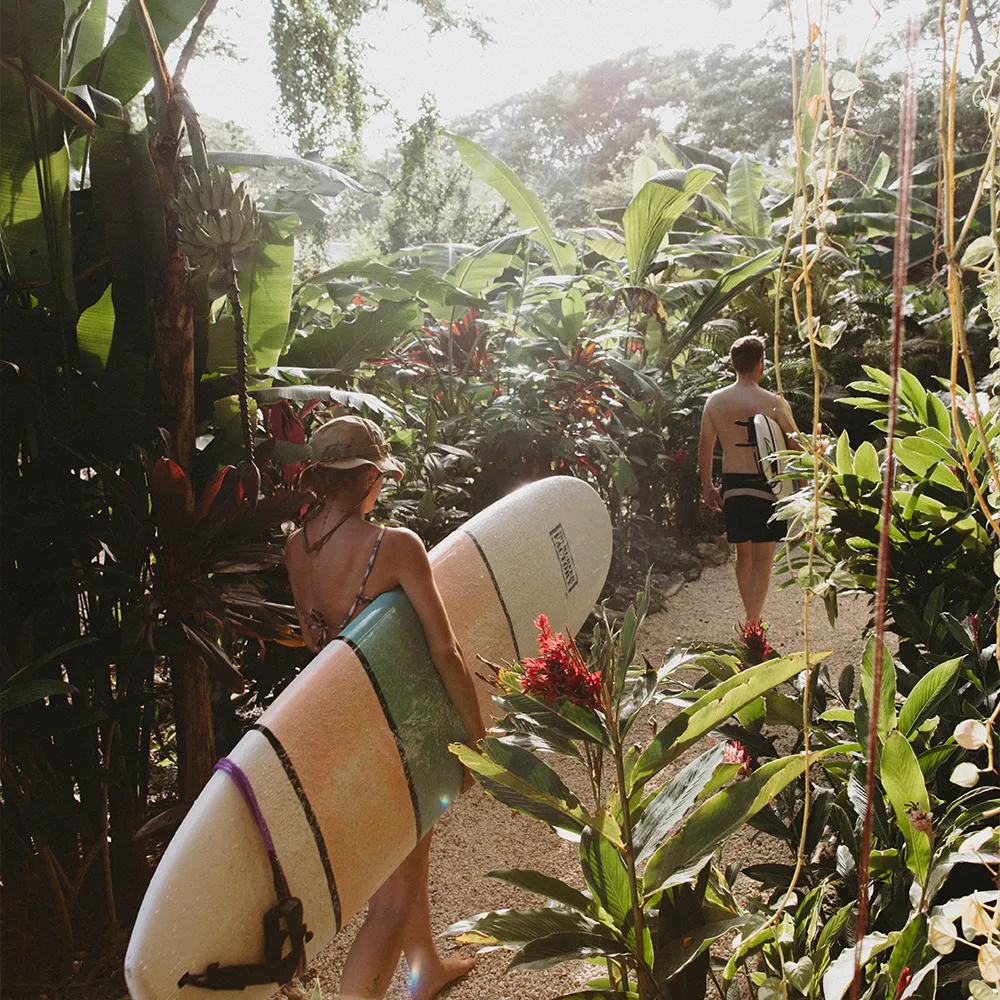

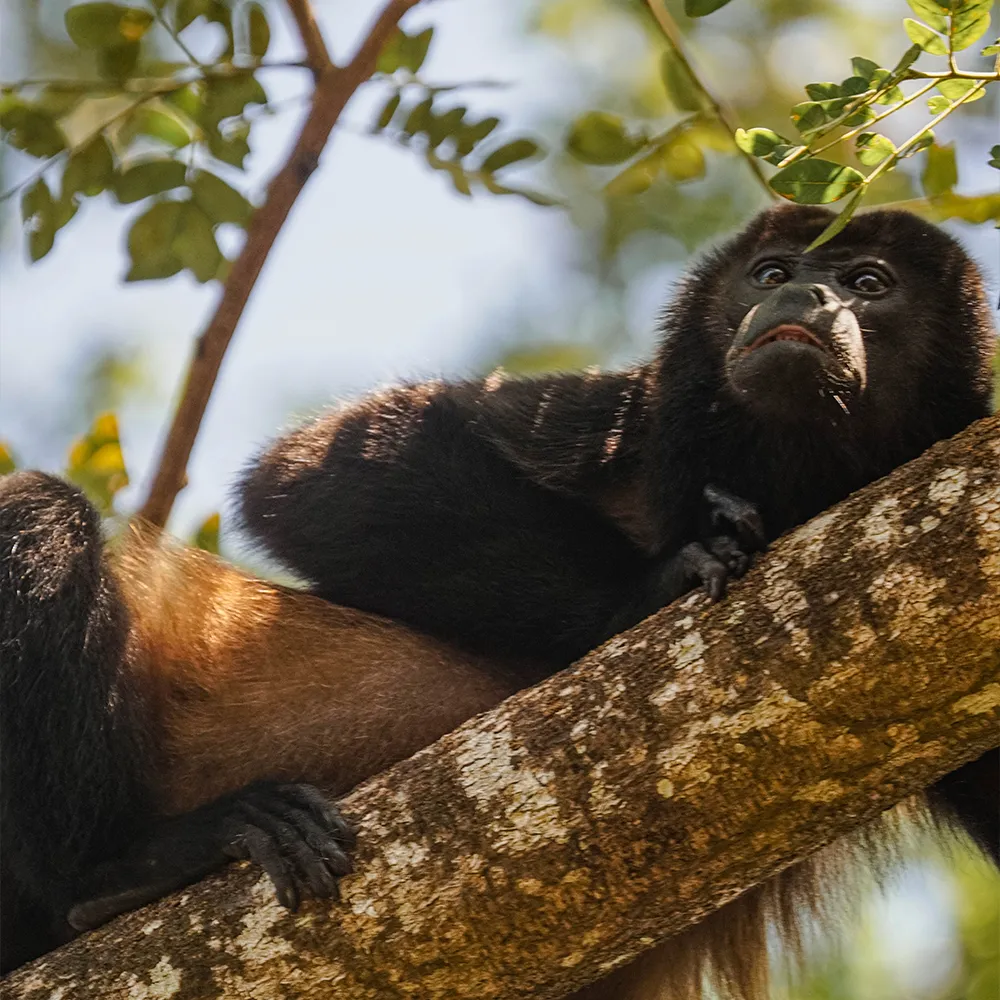
Costa Rica is the definition of an easy surf trip done right: warm water, consistent swell, friendly beach towns, and enough wave variety to suit almost everyone — from first-timers to confident intermediates. It’s also one of the best places in the world to combine surfing with proper adventure travel: jungle, wildlife, waterfalls, volcanoes, and unreal sunsets are all part of the deal.

Safety-wise, Costa Rica is generally straightforward, but it’s still the Pacific Ocean — and it can be deceptively powerful. The main things that catch travellers out are strong currents and rips, shorebreak on certain tides, and sun/heat dehydration (which affects your surf decisions fast).

Outer Reef trips are built around matching you to the right beach, the right tide, and the right level of coaching — so you get maximum fun without pushing your luck.

Quick Safety Snapshot

Best For
Beginners to intermediates (with plenty for advanced surfers too).
Water Temp
Warm (rash vest / light suit depending on season + preference).
Main Risks
Rips and longshore drift, shorebreak, sunburn/heat exhaustion, reef/rocks at certain spots, wildlife awareness (more on land than in the water).
Safest Approach
Surf with local knowledge, don’t underestimate currents, and treat hydration/sun protection like essential equipment.

Where To Surf In Costa Rica

Outer Reef Surf Base
PLAYA HERMOSA AREA
A classic Costa Rica surf zone with a relaxed vibe, warm water, and plenty of beach options nearby. Great if you want a surf-focused trip with room for yoga, exploring, and proper downtime between sessions.
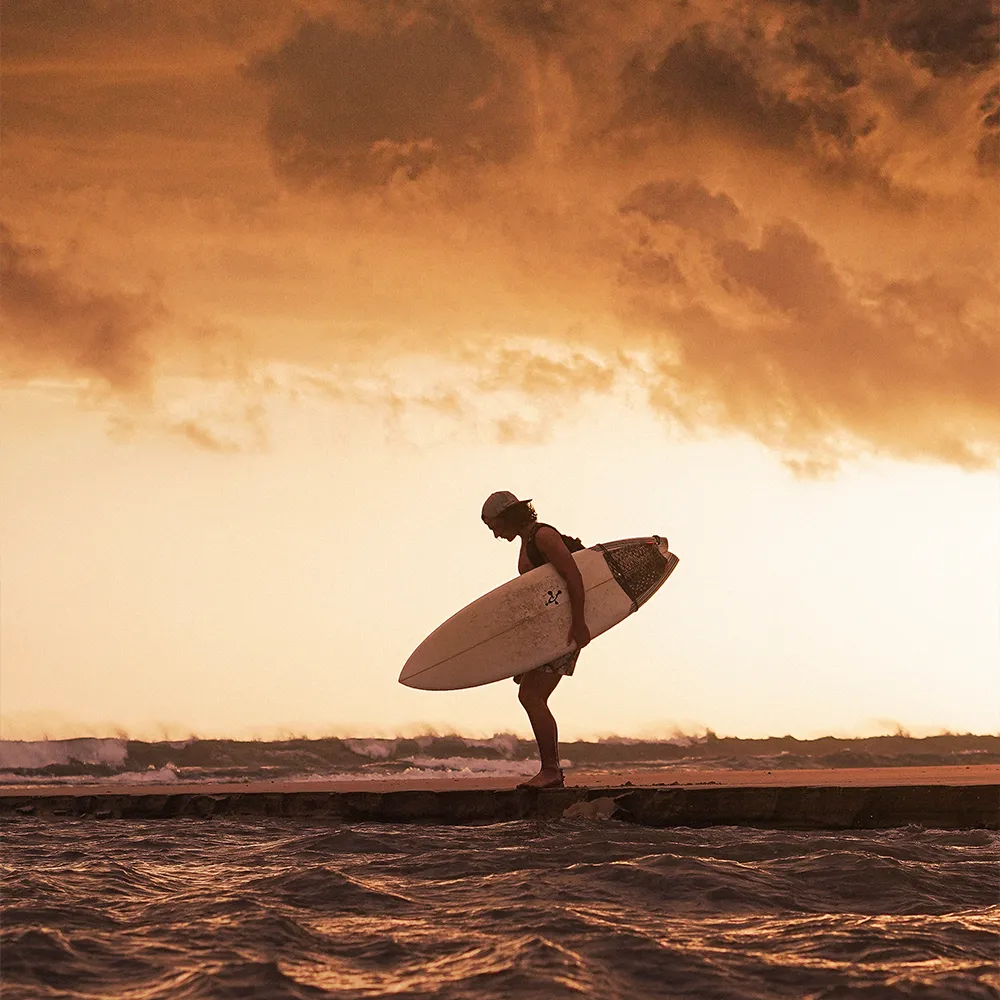
GUANACASTE COAST
A stunning slice of the Guanacaste coast with consistent surf and that “jungle meets ocean” feel. Ideal for surfers who want quality waves, a bit more space, and easy access to multiple breaks depending on conditions.

Ocean Safety in Costa Rica

What Matters Most
A few simple habits make a huge difference here:
Rips + drift are the main issue
If you’re getting pulled down the beach, don’t fight it — come in, walk back up, reset, and go again.
Respect shorebreak
On certain tides, waves can dump hard in shallow water. If it looks heavy, it is.
Don’t surf alone at remote spots
Costa Rica has plenty of quieter beaches — which is amazing — but it’s safer to surf with others, especially if you’re exploring.
Sun + heat is real
Dehydration and sunstroke lead to sloppy surfing. Drink more than you think, and use zinc/sunscreen every session.

Best Time To Visit Costa Rica

And How To Choose

Costa Rica can work year-round, but the “best” time depends on what you want:

– ⁠ ⁠For easier, more beginner-friendly conditions: aim for smaller swell windows and protected beaches.

– ⁠For stronger, more consistent surf: you’ll want the more powerful swell season — but you’ll also want to be realistic about your level and choose the right breaks.

If you tell us your level and your dates, we’ll recommend the best base (Santa Teresa vs Avellanas) and the safest plan for the week.

What To Do Between Surfs

Quick And Practical

Costa Rica is made for active recovery days:

  • Waterfalls + jungle hikes.
  • Wildlife spotting.
  • Yoga / mobility sessions
  • Coffee and local food missions.
  • ⁠Sunset beach hangs (the best kind of “rest day”).
  •  

Ready To Plan Your Costa Rica Trip?

If you’re not sure which coast/base fits your level, just send your surf experience and what you want from the week (chill, progression, adventure). We’ll point you to the best camp and help you build a safe, confidence-boosting itinerary.