
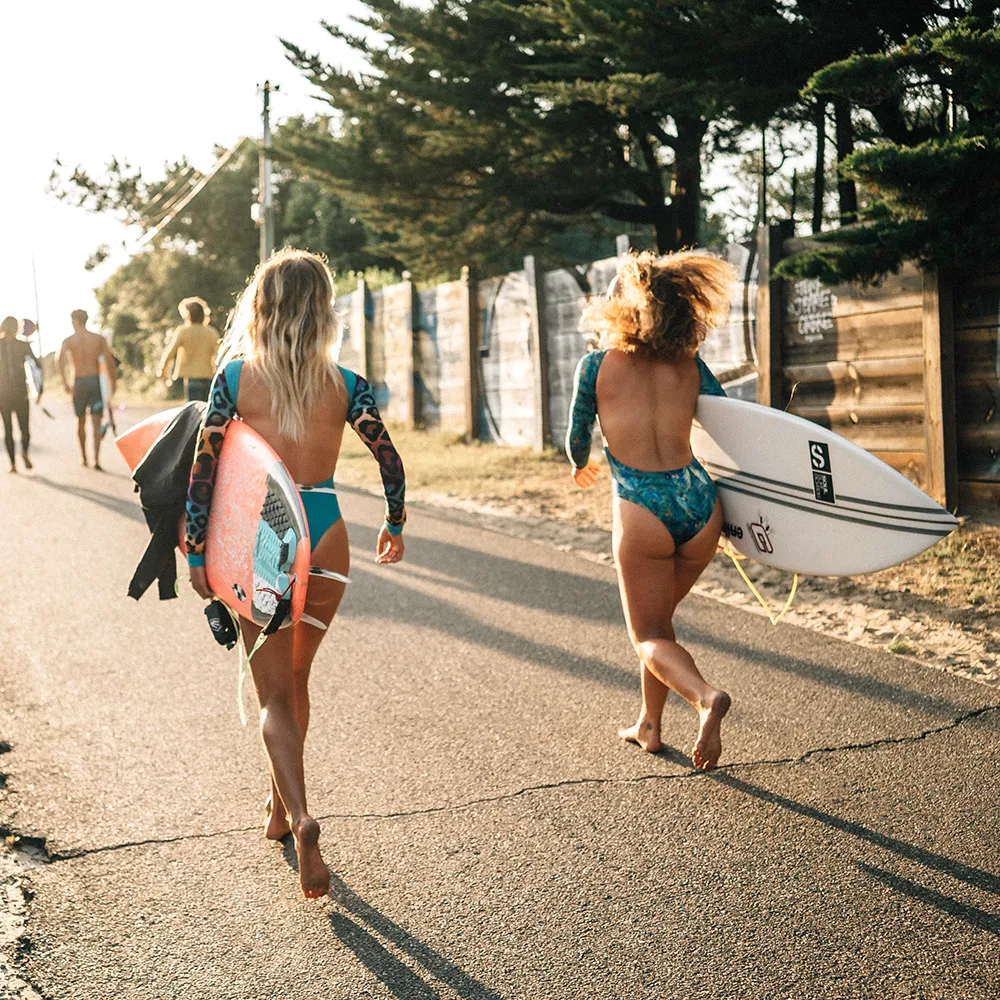
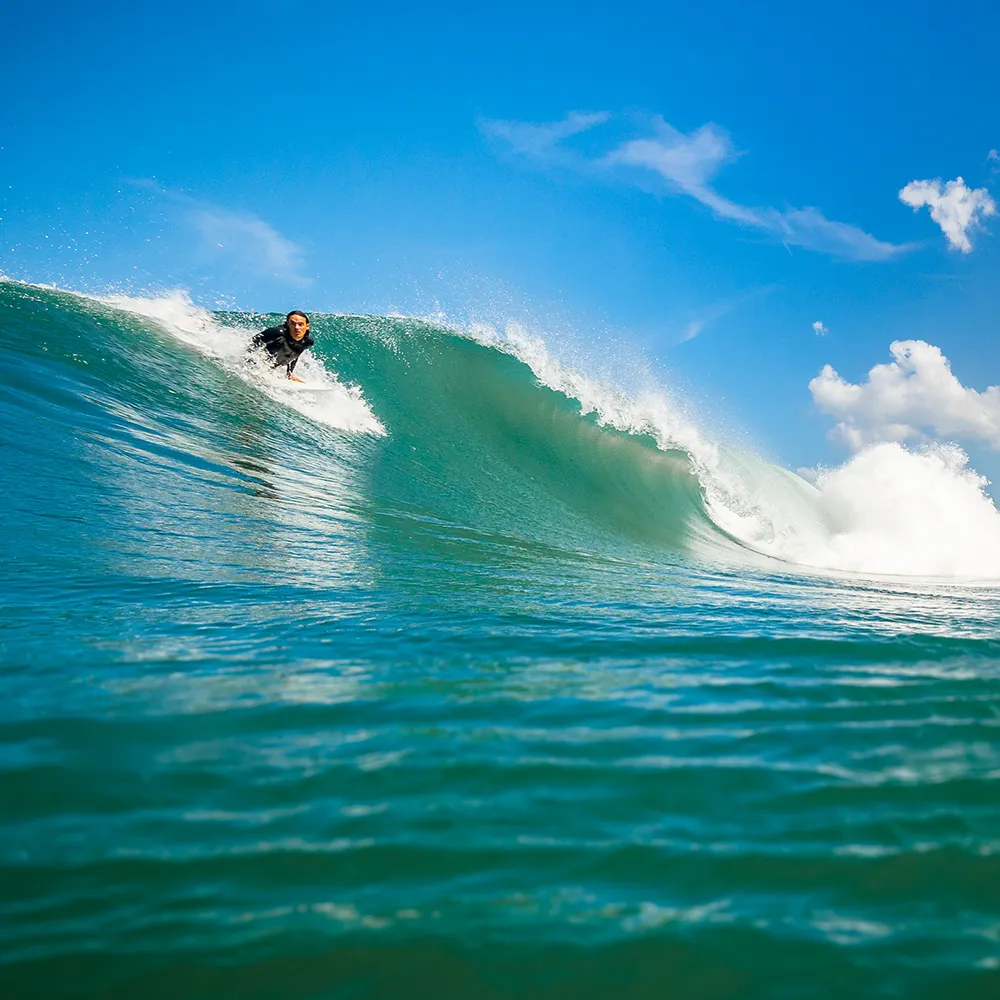
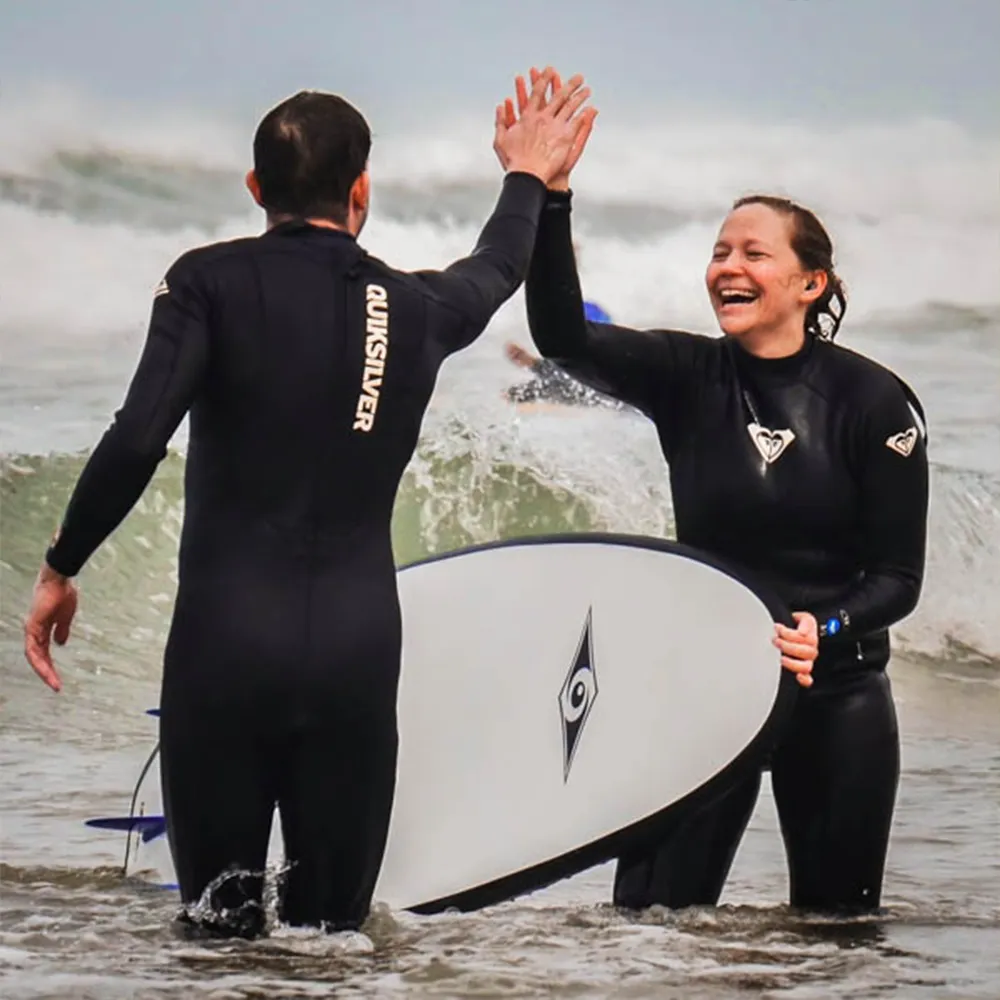
France is one of Europe’s most iconic surf destinations — long sandy beaches, consistent Atlantic swell, and a proper surf culture that runs through the whole southwest coast. It’s also a destination where conditions can level up quickly, which is exactly why it’s brilliant for progression when you choose the right base and the right beach for the day.

The big advantage in France is variety: you can often find a wave that suits your level within a short drive. The big safety watch-outs are the same things that make France so good: *powerful Atlantic surf, strong rip currents, and shifting sandbanks*. Outer Reef trips are designed to keep it simple — matched to your level, with coaching options and local knowledge so you’re not guessing.

Quick Safety Snapshot

Best For
Beginners to advanced (depending on season + beach choice).
Wave Type
Mostly beach breaks (sandbottom), with some heavier days when swell is up.
Main Risks
Rip currents, shorebreak, fast-changing sandbanks, crowd pressure at famous spots.
Safest Setup
Surf the right beach for your level, don’t “step up” just because it’s pumping, and prioritise coached sessions if you’re building confidence.

Top Surf Regions France

A classic southwest France base with loads of beach options nearby — ideal if you want variety and a relaxed surf-camp feel, with flexibility to chase the best conditions.
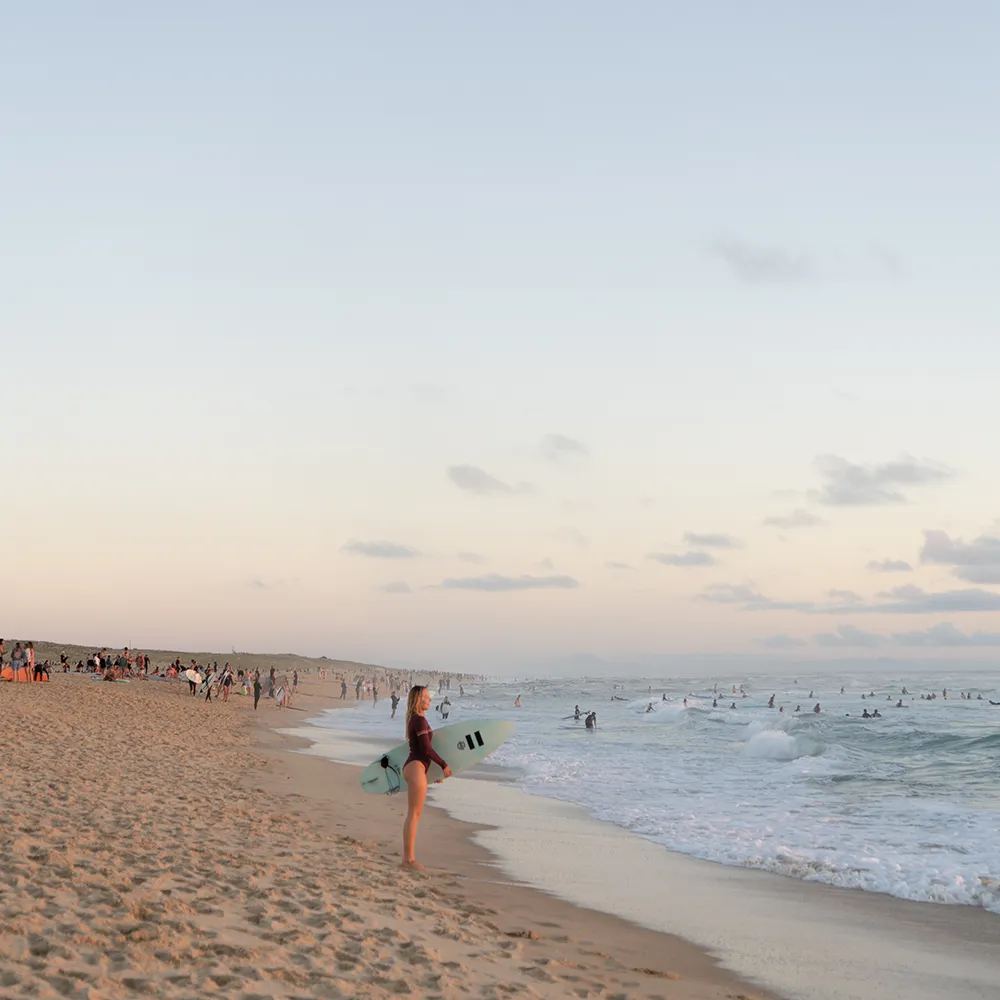
World-class surf — but the real magic for most travellers is having access to the wider area, picking the right peaks, and building a trip around progression, comfort, and great food.
A wilder, pine-forest-meets-ocean vibe with plenty of space and consistent beach breaks. Great if you want a simple routine: surf, eat well, recover, repeat.

France Ocean Safety

Beach Break Doesn’t Mean “Easy
France is mostly sand-bottom, which is great — but Atlantic beach breaks can still be serious.
Rip currents are the #1 risk
Learn to spot them (darker channels, fewer breaking waves) and don’t fight them — use them to paddle out, then exit down the beach if needed.
Watch shorebreak on lower tides
If it’s dumping hard in shallow water, it’s not a “push through it” situation — choose a different beach or wait for a softer tide.
Sandbanks shift constantly
A spot that was mellow yesterday can be punchy today. Always reassess before you paddle out.
Don’t let crowds decide for you
Famous zones can create pressure. The safest surf is the one that matches your level — not the one with the biggest name.

Best Time To Surf France

And What It Means For Safety

Spring (Mar–May): great balance of swell + manageable conditions; good for progression weeks 

Summer (Jun–Aug): warmer, more beginner-friendly days, but more crowds; still gets occasional punchy swells 

Autumn (Sep–Nov): prime time for quality surf; can get powerful — best if you’re confident or coached 

Winter (Dec–Feb): heavier Atlantic energy; better suited to experienced surfers

Tell us your level and your ideal vibe (sun-and-chill vs greener surf road-trip energy) and we’ll match you to the best region and time.

What To Pack

Quick And Practical
  • ⁠ ⁠Wetsuit (season-dependent — we’ll advise based on your dates)
  • ⁠ ⁠Warm layers for evenings (even summer can cool off)
  • ⁠ ⁠Zinc/sunscreen + hydration plan (wind + sun sneaks up)
  • ⁠ ⁠Basic first-aid bits (plasters, antiseptic, ibuprofen)
  • ⁠ ⁠Surf confidence tool: a willingness to switch beaches when conditions change

Getting There And Getting Around

Simple And Safe
Most guests fly into the southwest France region and base locally. Having a short-range plan (surf close, then do condition-chasing missions only when it’s worth it) keeps the trip safer and more enjoyable — less fatigue, less rushing, better decisions.

Ready To Plan Your France Trip?

Tell us your dates, your level, and what you want from the week (chilled holiday surf, big progression push, adults-only lodge vibe, etc.). We’ll match you to the best base and the safest surf plan for the conditions.