
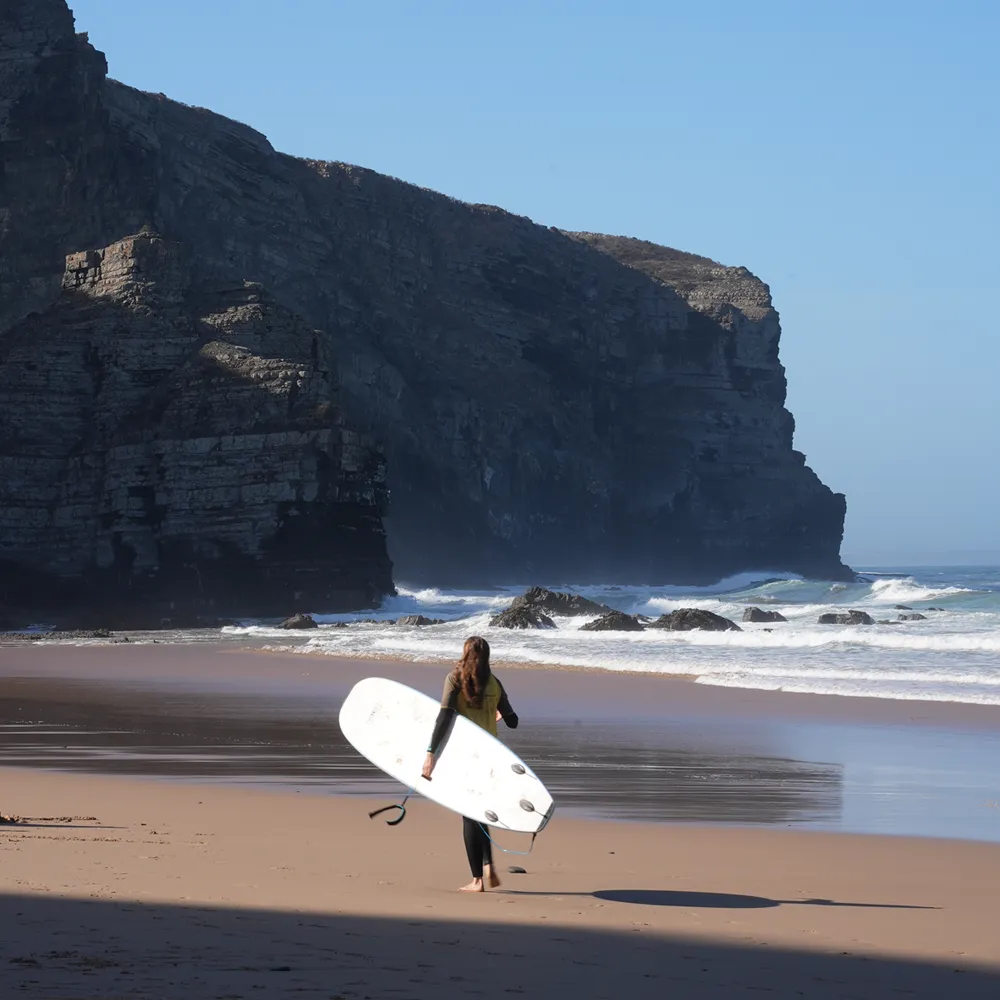


Spain is one of the best-value surf trips in Europe because it gives you two totally different experiences in one country: *warm, laid-back beach life in the south, and lush, Atlantic-powered surf country in the north. That variety is the secret weapon — if you pick the right region for the season (and your level), Spain can be ridiculously consistent and easy.

From a safety point of view, Spain is generally straightforward, but the ocean still deserves respect. The main things that catch people out are Atlantic rip currents, bigger-than-expected swell in the north, and wind exposure on open beaches.

Outer Reef trips are built around keeping it simple: the right base, the right beach, and a plan that matches your confidence.

Quick Safety Snapshot

Best For
Beginners to intermediates (and great for progression weeks).
Wave Type
Mainly beach breaks (generally more forgiving than reef destinations).
Main Risks
Rip currents, shorebreak on punchier days, cold water in the north outside summer, long beach drift.
Safest Setup
Coached sessions + choosing beaches with easy access/exit + not forcing it when swell jumps.

Top Surf Regions Spain

SUNSHINE + EASY BEACH SURF
A warm, relaxed surf zone with a proper holiday vibe — ideal if you want a simple routine, friendly beach breaks, and a trip that mixes surf with food, sunsets, and downtime. Great for beginners and improvers who want consistency without the intensity.
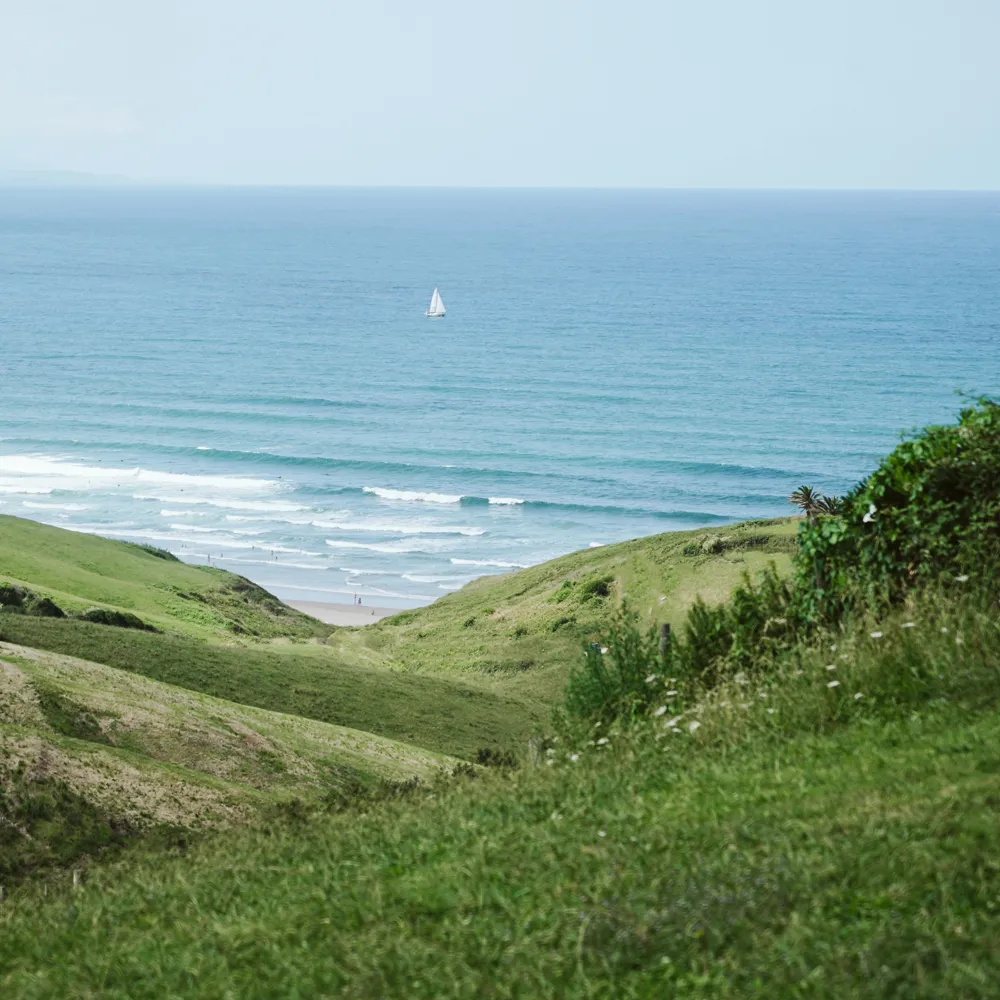
GREEN COAST + ATLANTIC ENERGY
Spain’s north coast is classic surf country: greener landscapes, more Atlantic power, and loads of quality beach breaks. Brilliant for progression and for surfers who want more variety — just be ready for cooler water and stronger swell pulses than the south.

Spain Ocean Safety

Simple Rules That Keep It Fun
Spain is a great place to build confidence, but these basics make a huge difference. Outer Reef will always steer you towards the safest, most suitable options for your level on the day.
Learn to spot rips
On bigger days, the safest paddle-out is often near a channel — but you need to know where it is and how to use it without getting dragged down the beach.
Respect shorebreak
Even beach breaks can get punchy. If waves are dumping hard in shallow water, choose a different spot or wait for a softer tide.
Don't surf unfamiliar peaks alone
Especially in the north when swell is up — conditions can change quickly.
Dress for the region
Northern Spain can feel cold outside summer; being underdressed leads to fatigue, and fatigue leads to bad decisions.

When To Visit Spain

Surf + Safety

The Canaries have surf all year, but conditions shift through the seasons:

⁠Spring (Mar–May): great all-round window — fewer crowds and plenty of surf.

Summer (Jun–Aug): warmer, easier travel, and great for beginner-friendly trips — especially if you want sunshine and a relaxed pace.

Autumn (Sep–Nov): one of the best times for quality surf, especially in the north, with more consistent swell.

Winter (Dec–Feb): can be excellent for experienced surfers, but the north gets more powerful and colder — not the ideal learning window unless you’re coached and choosing sheltered options.

Tell us your level and your ideal vibe (sun-and-chill vs greener surf road-trip energy) and we’ll match you to the best region and time.

Things To Do Between Surfs

Spain is an easy destination to build a proper holiday around:

  • ⁠ ⁠Food missions (tapas, seafood, local markets)
  • ⁠ ⁠Coastal walks and viewpoints
  • ⁠ ⁠Yoga / mobility for recovery
  • ⁠ ⁠Day trips to nearby towns and nature spots
  • ⁠ ⁠Sunset sessions and relaxed nightlife (depending on your base)

Getting There And Getting Around

Simple And Safe
Spain is simple logistically: you’ll typically fly into a regional airport depending on whether you’re heading *south (El Palmar)* or *north (Cantabria)*, then use transfers or a hire car. The safest way to run the trip is to keep daily driving minimal and surf close to base — then do short condition-chasing missions only when it’s worth it.