

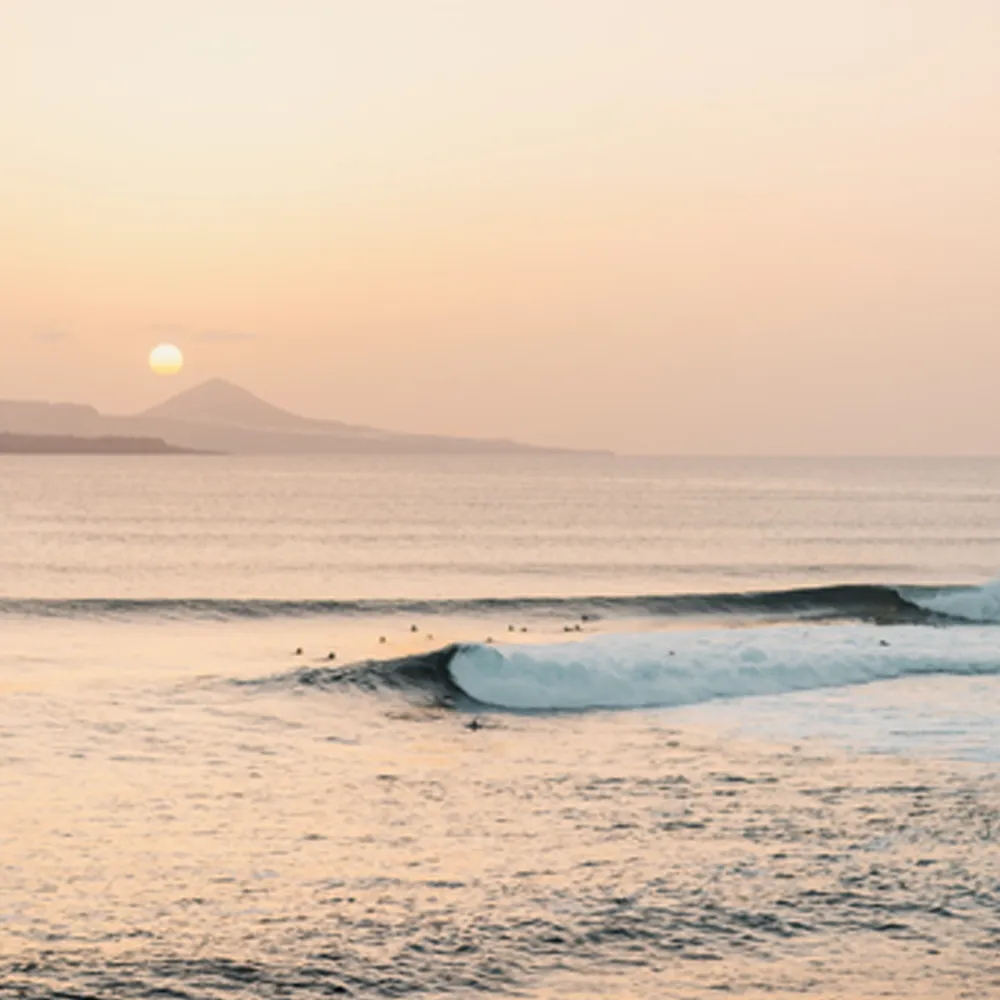
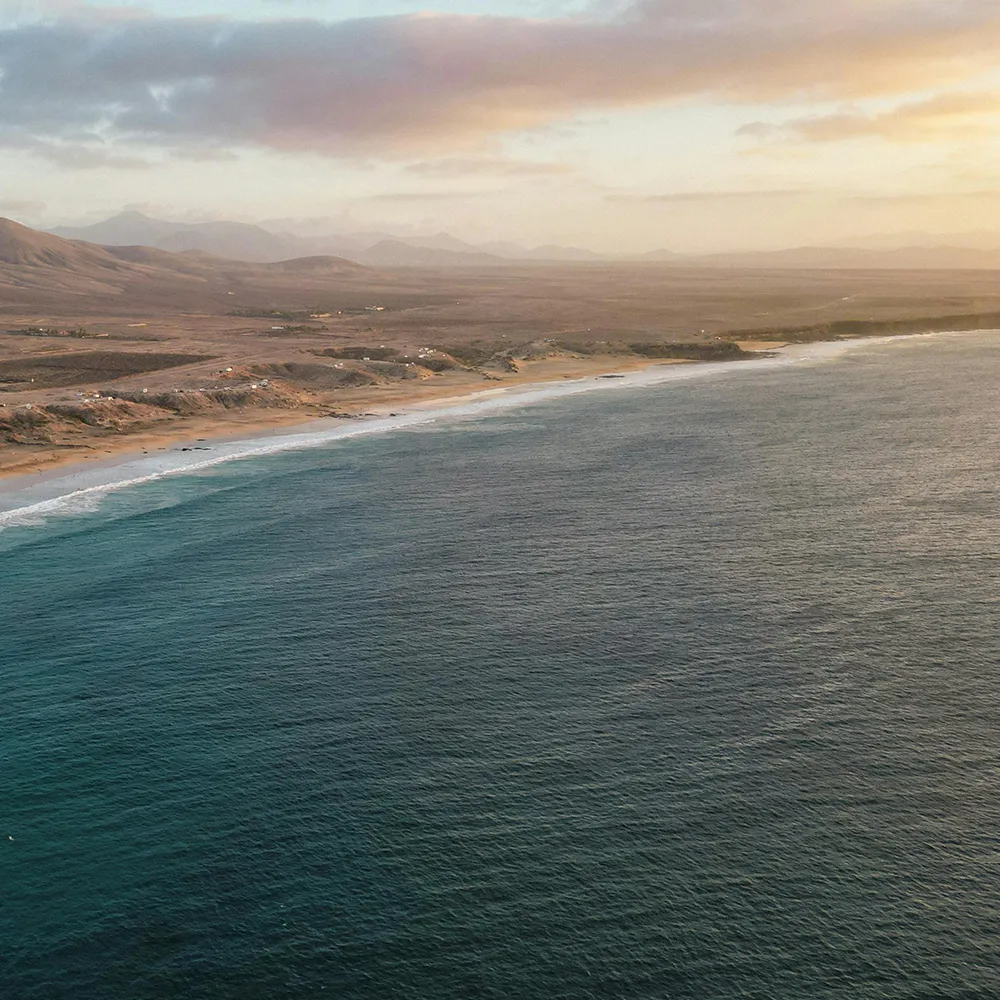
The Canary Islands are Europe’s warm-water surf escape: volcanic landscapes, consistent Atlantic swell, and a year-round season that makes them perfect when the mainland goes flat or cold. The big win here is variety — you can find everything from mellow beach setups to proper reef and point waves that feel more “tropical” than European.

But the Canaries also demand respect. A lot of the best waves break over *volcanic rock and reef*, and the Atlantic can bring serious power, especially through autumn and winter. The safest (and most fun) Canary trip is the one built around your level, the right coastline for the day, and a simple plan for tides, entry/exit points, and conditions.

Outer Reef will help you choose the right island and the right base — whether you want a surf-and-yoga reset, a progression week, or a more performance-focused mission.

Canary Islands | Complete Safe Travel Guide

Quick Safety Snapshot

Best For
Beginners (in the right zones), improvers, intermediates, advanced.
Wave Type
Mix of beach breaks + reef/rock setups (varies by island and spot).
Main Risks
Sharp volcanic rock, shallow reef at lower tides, strong currents, heavy winter swell, wind exposure.
Safest Approach
Pick the right beach for your level, don’t force shallow reef sessions, and surf with local guidance when exploring new breaks.
Gran Canaria Surf Camp

Top Surf Regions The Canary Islands

LONG BEACHES + EASY RHYTHM
Great if you want a surf trip that balances water time with recovery, beach days, and a proper reset — with options to chase conditions when the swell shifts.
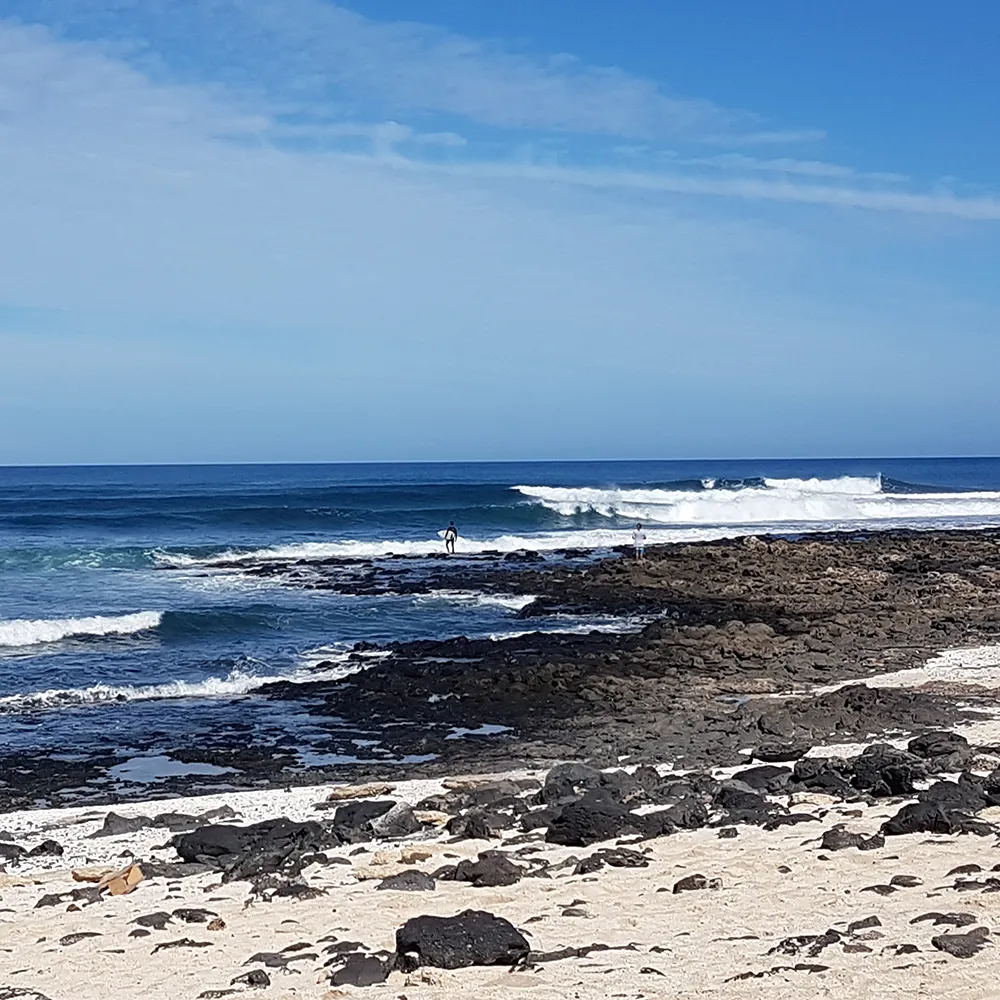
VARIETY + SURF TOWN ENERGY
A classic Canary surf zone with loads of options within reach. Ideal for mixed-ability groups who want variety, plenty of surf time, and the flexibility to pick the right setup each day depending on wind, swell, and tide.
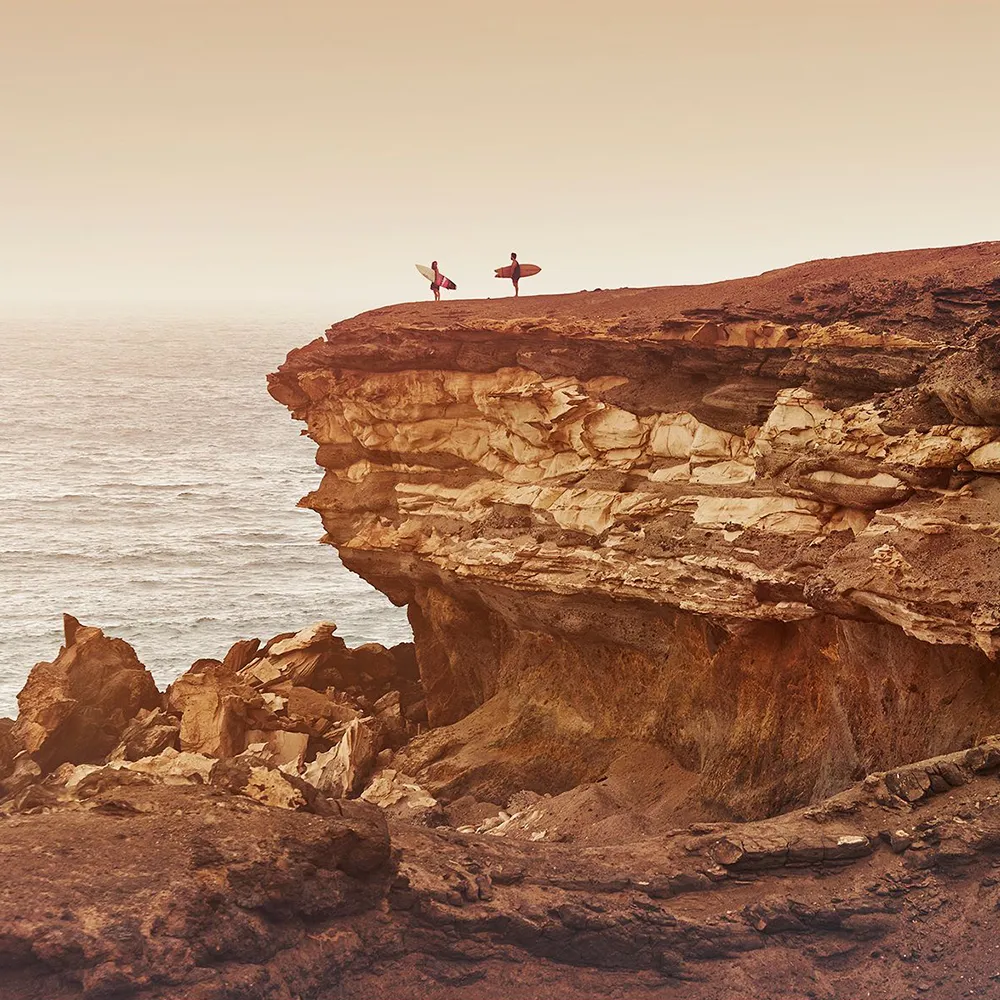
CULTURE + QUALITY WAVES
A brilliant blend of island life, great food, and consistent surf options. A strong choice if you want a boutique camp vibe and a trip that feels like more than just surfing — while still keeping you close to quality waves.

Canary Islands Ocean Safety

Volcanic Coastline Basics
This is the section that keeps people out of trouble in the Canaries — simple rules, big payoff:
Rock and reef are normal here
Bring reef-safe confidence: good footwear for rocky entries (when needed), and don’t jump in blind at unfamiliar spots.
Tide changes entry/exit
A place that’s easy at mid tide can become sketchy at low tide (shallow rock) or high tide (surge into boulders).
Watch the “inside”
Some breaks have a deceptively shallow inside section — the wave looks friendly until you get pushed onto rock.
Respect the Atlantic
Winter swells can turn the islands into a different beast. If it looks heavy from the beach, choose a safer option or sit it out.
Wind matters
The Canaries can be windy; pick the right coast for the day and don’t commit to long paddles in strong wind if you’re not confident.

When To Visit The Canary Islands

Surf + Safety

The Canaries have surf all year, but conditions shift through the seasons:

⁠Spring (Mar–May): a strong all-round window — plenty of swell, generally manageable conditions, great for progression. 

Summer (Jun–Aug): smaller surf on average, warmer days, and good beginner-friendly options — but wind can be more of a factor.

Autumn (Sep–Nov): more consistent swell returns and the islands start firing again. Great balance of quality + comfort.

Winter (Dec–Feb): the most powerful season. Incredible waves, but higher consequence — best for confident surfers or coached progression in the right spots.

If you tell us your level and what you want from the trip (easy progression vs proper reef surf vs a wellness reset), we’ll point you to the best island and the best time window.

Things To Do Between Surfs

The Canaries are made for active rest days and easy adventures:

  • ⁠ ⁠Volcano hikes and coastal trails
  • ⁠ ⁠Local food spots and markets
  • ⁠ ⁠Yoga, mobility, and recovery sessions
  • ⁠ ⁠Beach days and lagoon swims (depending on island/conditions)
  • ⁠ ⁠Sunset viewpoints and chilled island evenings

Getting There And Getting Around

Simple And Safe
Most travellers fly into the main airports on each island, then use transfers or hire cars depending on the camp setup and how much exploring you want to do. The safest way to run a surf trip here is to keep logistics simple: stay close to your core surf zone, then do short missions when conditions call for it — rather than long, tired drives chasing waves every day.