
THE MAIN SURF HUB
North Malé Atoll
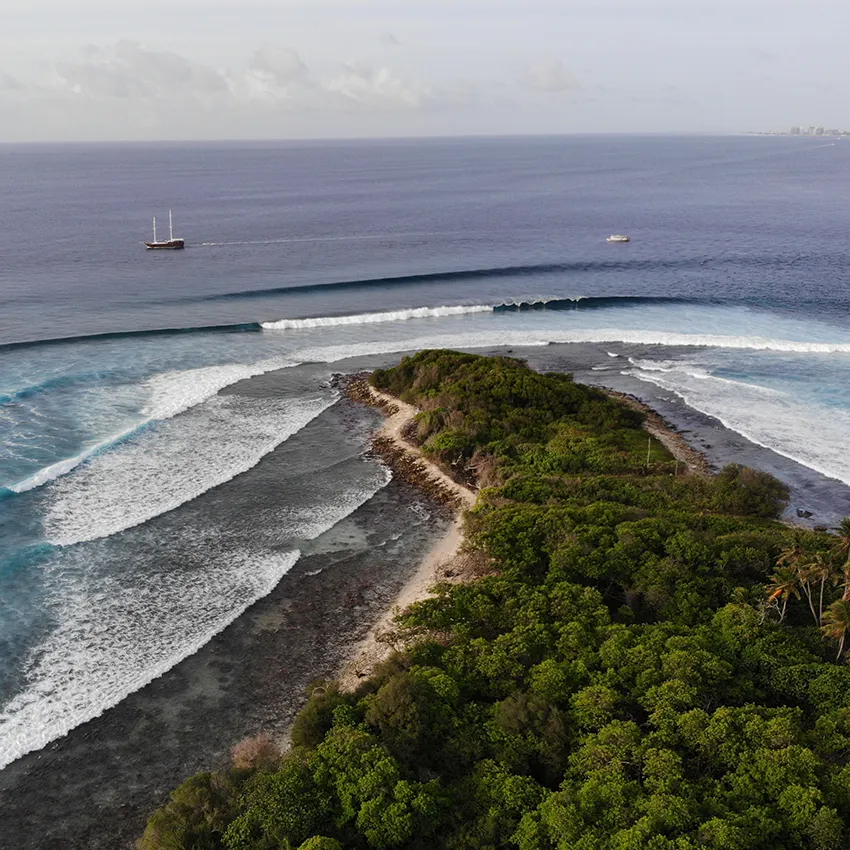
The most accessible and surf-rich zone, with the biggest concentration of famous reef breaks and quick transfers from the airport. Great for shorter trips, and anyone who wants maximum surf time with minimal travel.

EASY TO LINK WITH THE NORTH
South Malé Atoll
Another high-quality cluster of reef passes that can be combined with the north, especially on boat trips. A strong option when you want variety — and a great way to dodge winds by choosing the best-facing breaks.
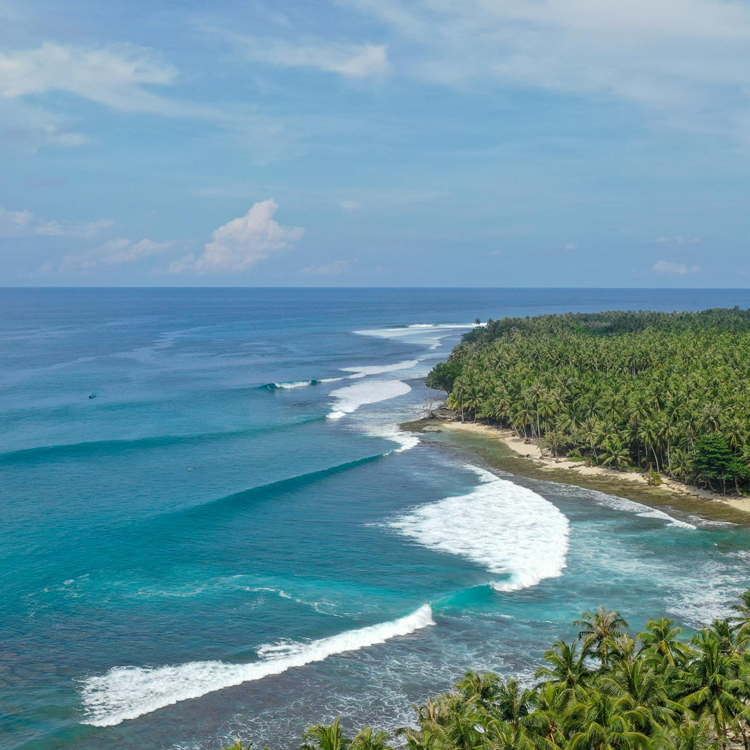
MORE REMOTE MORE ADVENTURE
Central Atolls
A step further out, with less crowd pressure and a more expedition feel. Best done by surf charter so you can move with conditions and explore different atolls without being locked into one zone.
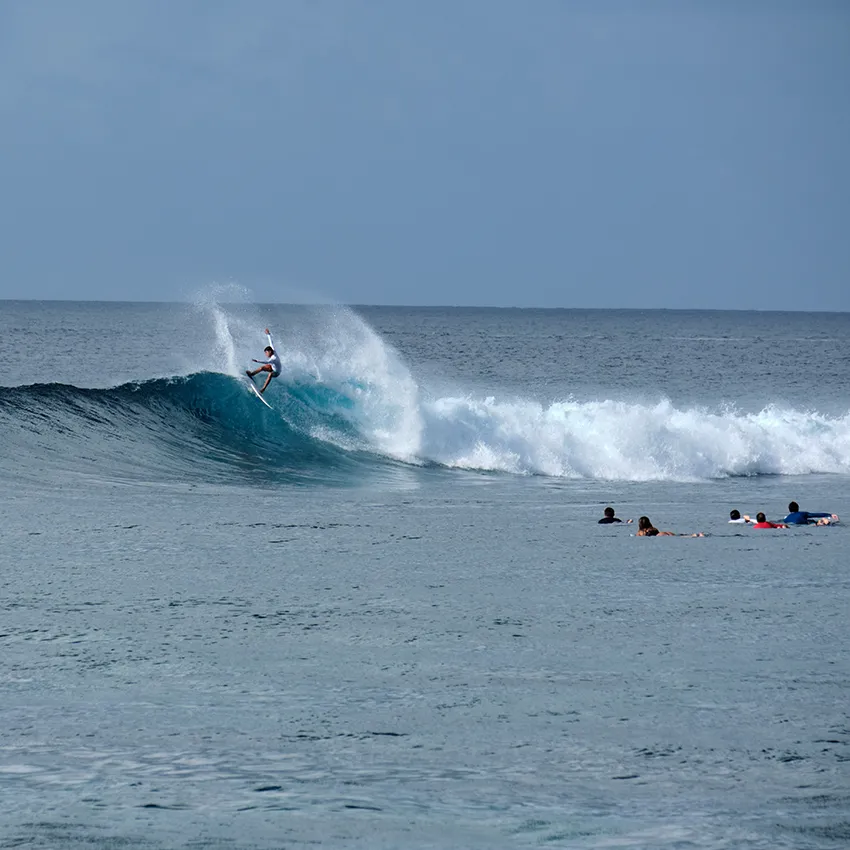
THE HEAVY HITTERS
Southern Atolls
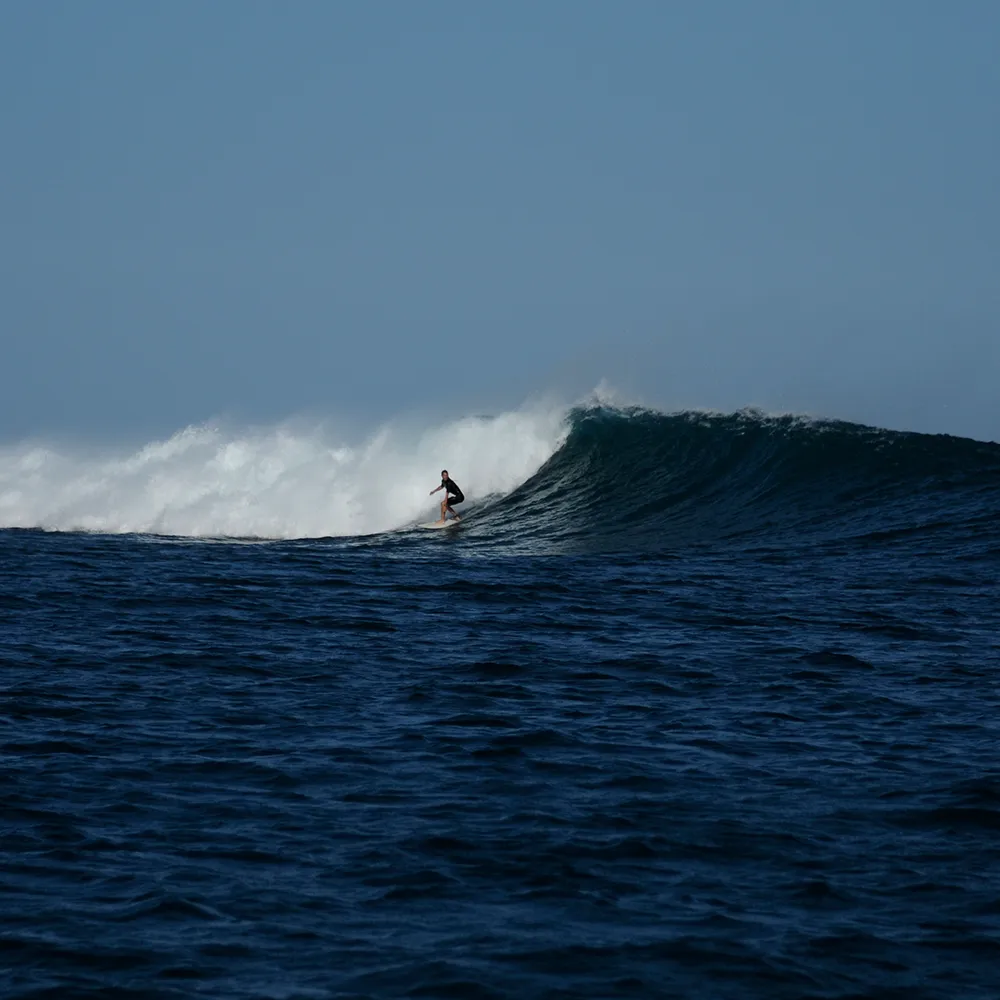
When the Maldives gets serious, it’s often down south. More exposed, more powerful, and better suited to confident surfers who want proper reef surf with that wild, far-flung feel.
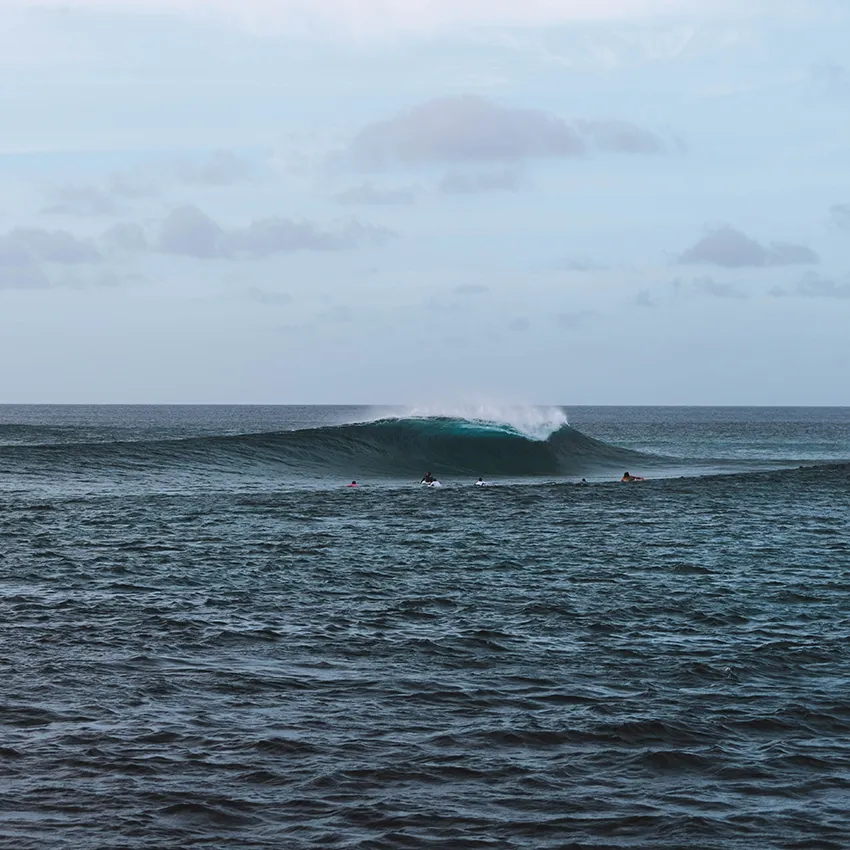
OFF THE BEATEN TRACK
Northern Atolls
A less travelled option with a more remote vibe. This is the choice for surfers who want to escape the main circuits, explore, and build a trip around uncrowded sessions and discovery.

Surf And Wellness Thulusdhoo Maldives
A brilliant choice if you want a local island base with easy boat access to nearby reef breaks. Expect warm-water sessions, a relaxed routine, and a trip that balances surf with recovery, good food, and downtime.
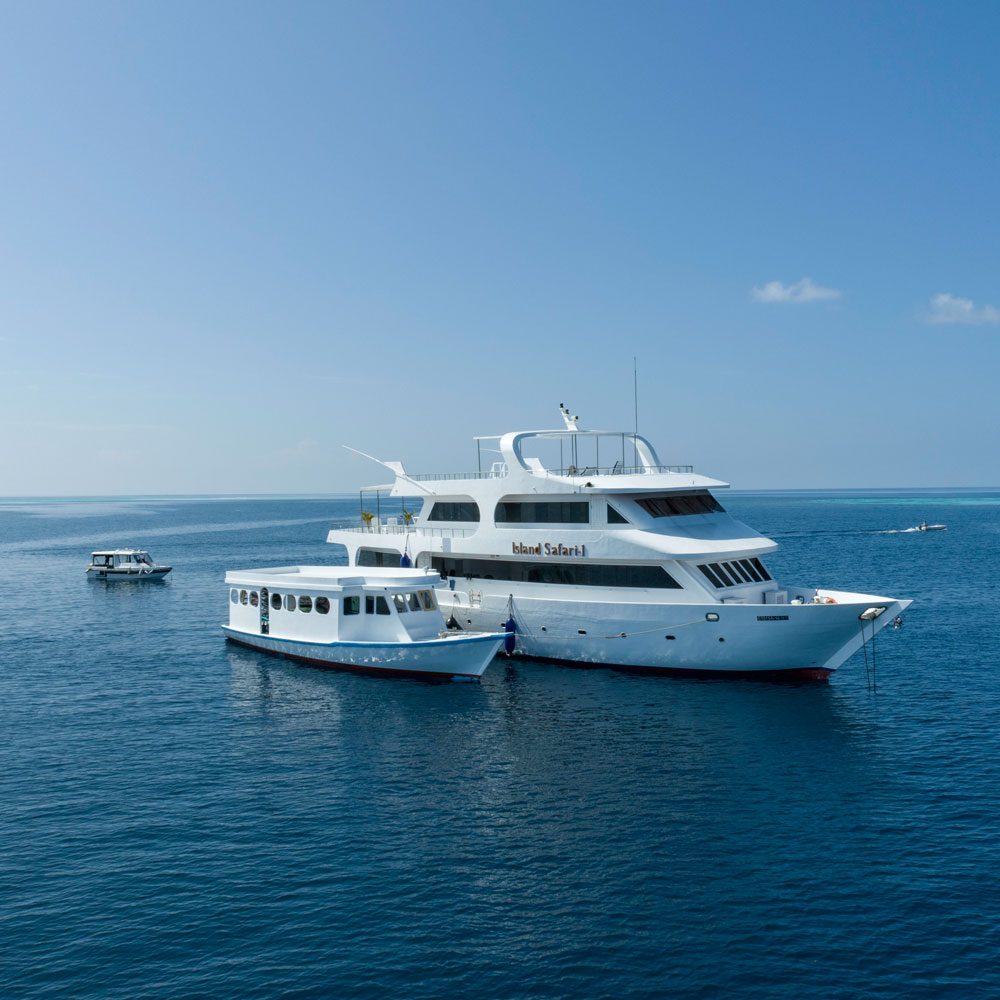
Women’s Surf Retreat Maldives
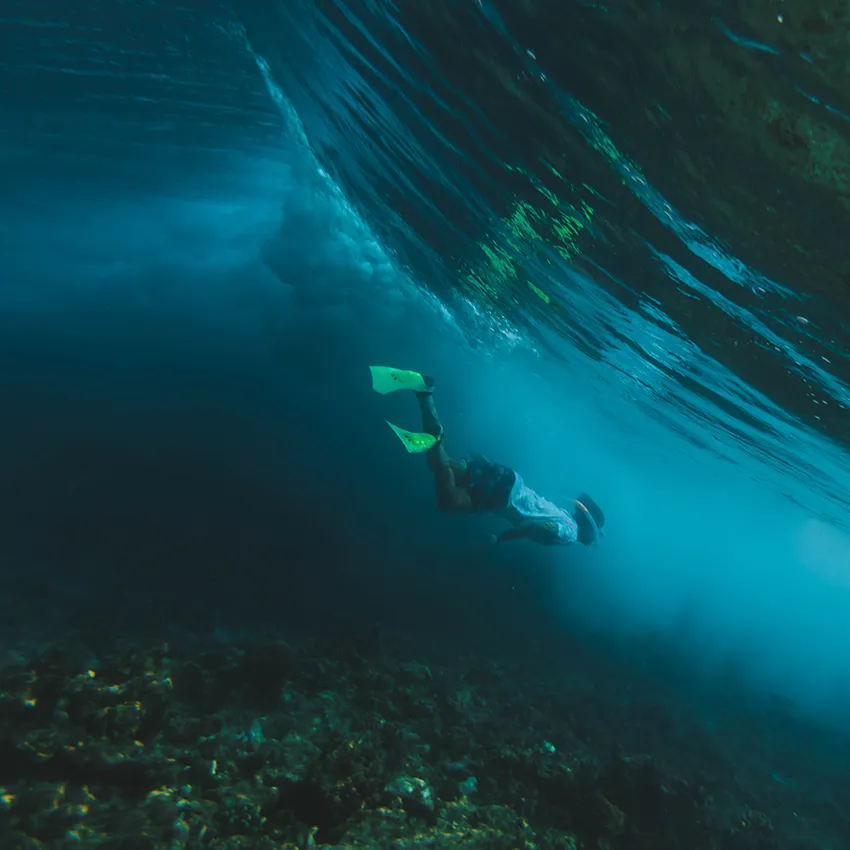
A supportive boat trip that blends guided sessions with community, comfort, and adventure. Ideal if you want the flexibility of a charter and the vibe of a hosted retreat — with surf, snorkelling, and time to switch off.
PEAK SWELL SEASON
May to September
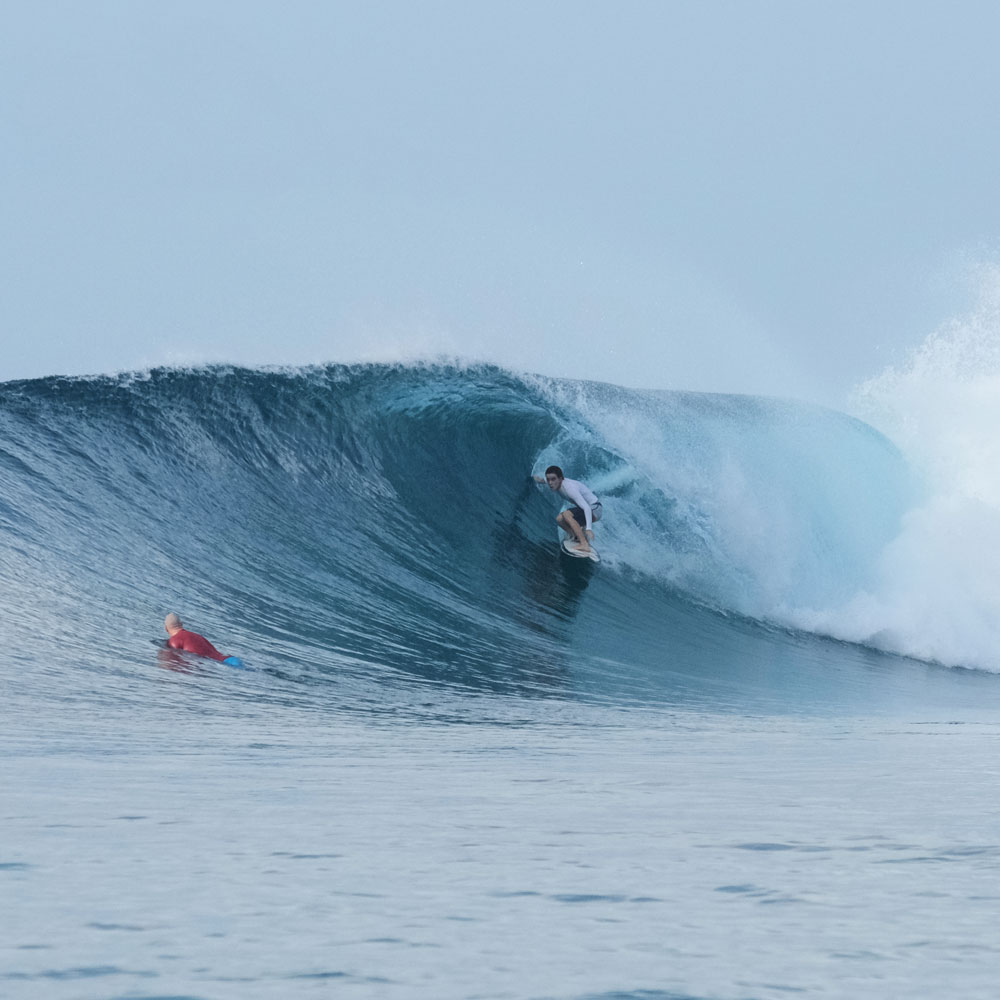
The most consistent surf window, with regular Indian Ocean swell and plenty of proper reef days. Great for intermediates and above — and perfect for surf charters that can hunt the cleanest corners.
SMOOTH AND MANAGEABLE
March to April
A strong shoulder-season option if you want fun waves without everything feeling too intense. Often a great balance for improvers who want quality surf but a slightly softer pace.

LATE SEASON PULSE
October to November
Another shoulder window that can still deliver excellent surf, often with a quieter feel. A good time to build a trip around flexibility, especially if you’re open to moving zones.
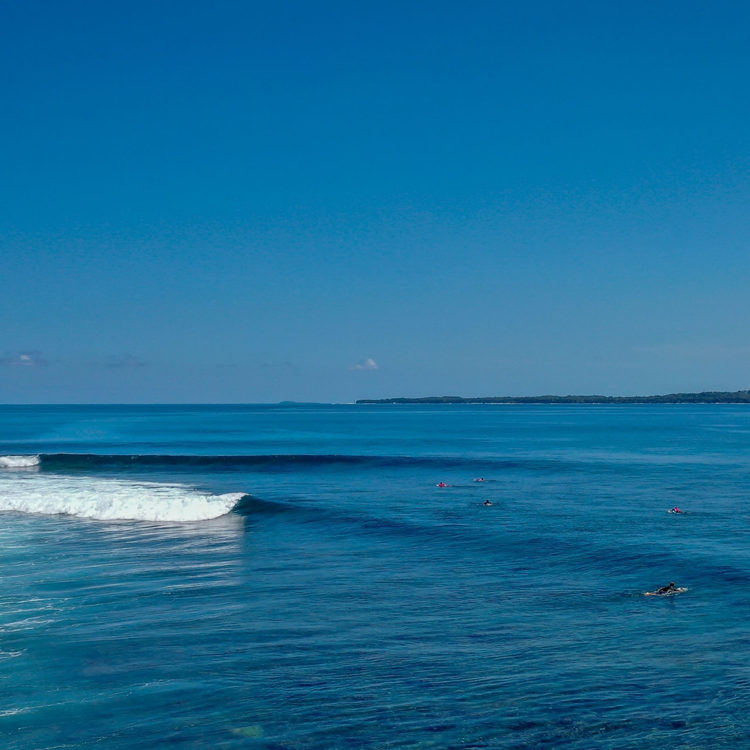
SUN AND CALM LAGOONS
December to February
Typically calmer conditions and generally smaller surf, which can suit beginners and relaxed surf holidays. If your priority is sunshine, clear water, and mixing surf with snorkelling and island time, this can be a great fit.