
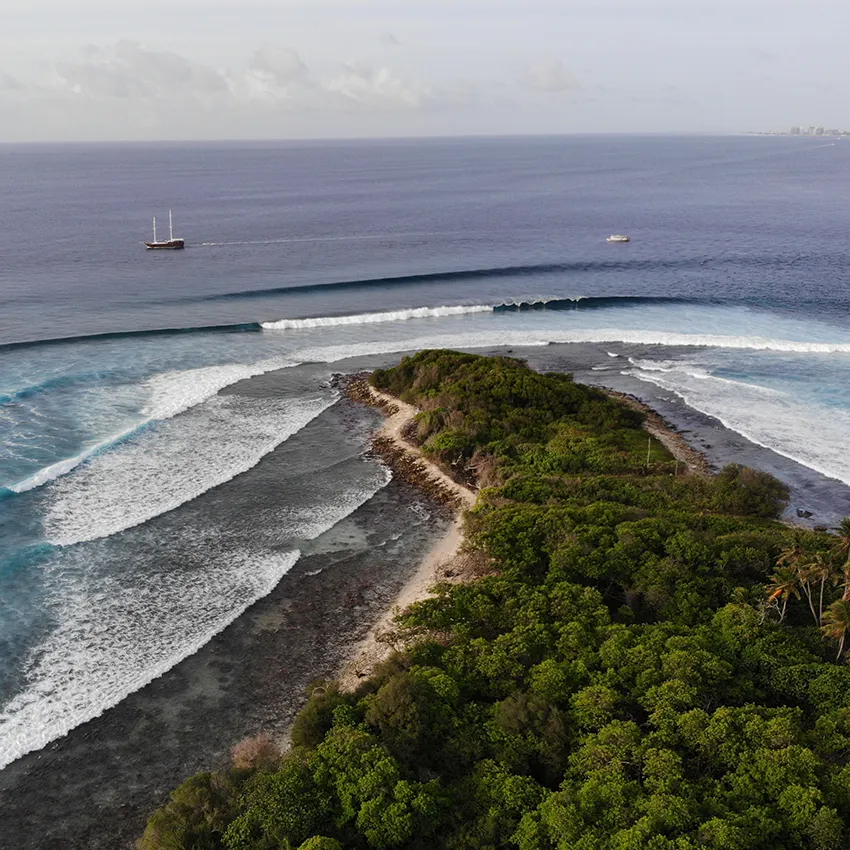
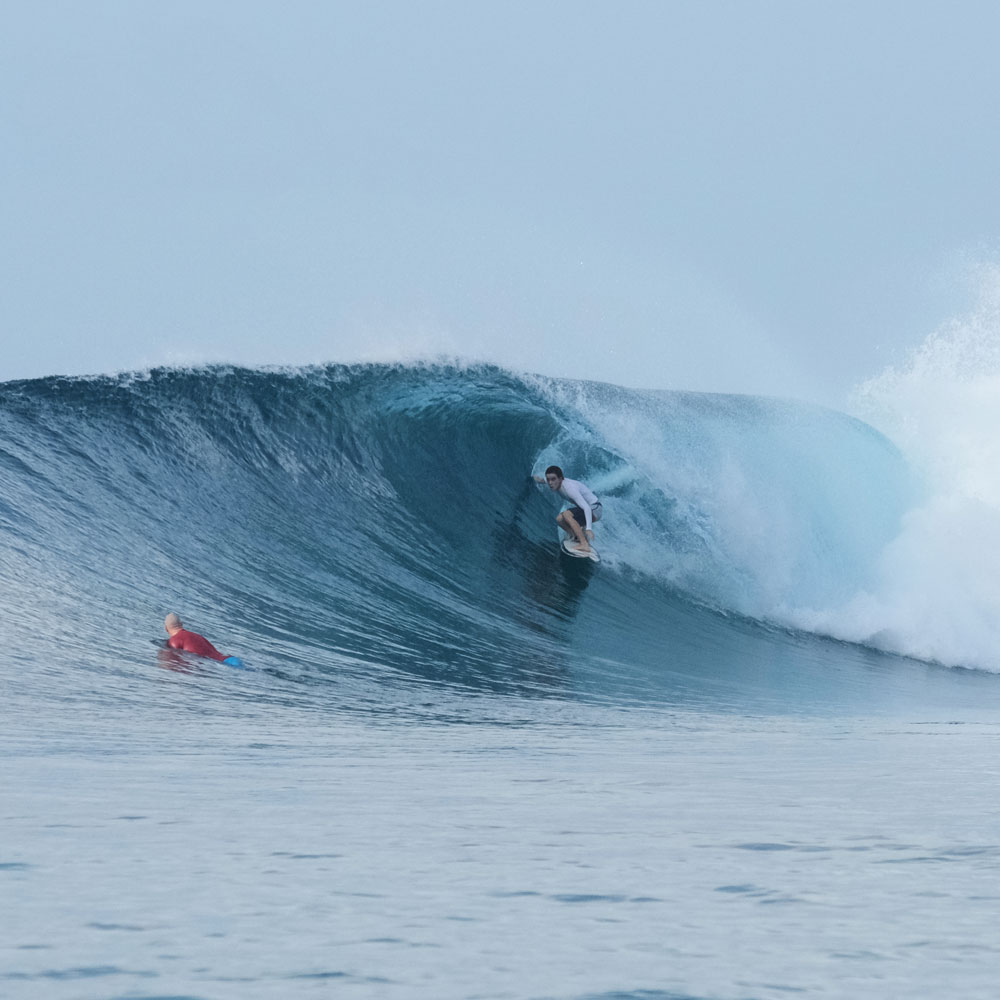
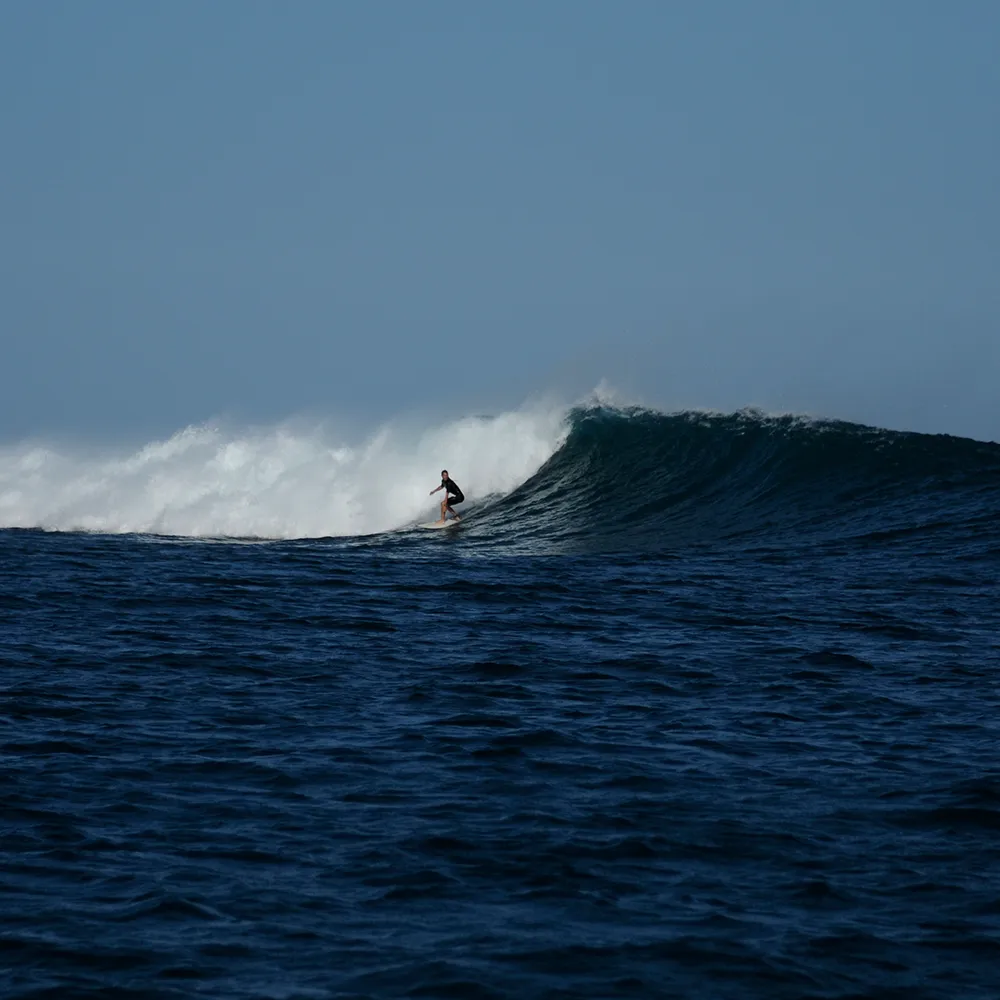
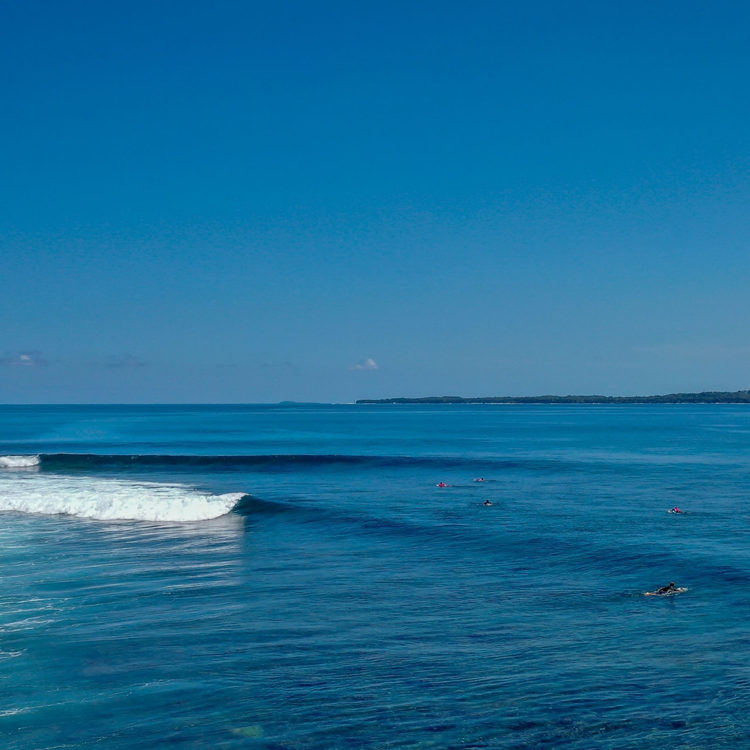
The Maldives is one of the most iconic surf destinations on the planet: warm water, reef breaks over crystal lagoons, and the kind of clean walls that make every session feel like a proper surf trip. Most waves here are reef passes (not beach breaks), which means more shape, more consistency, and higher-quality surf when the swell is on — but it also means you need to surf with good reef awareness and smart timing.

Most Maldives surf is scored by boat, either from a local island base or on a surf charter that moves with the best wind and swell. That flexibility is a big part of the magic: you can chase the cleanest corners and avoid blown-out sessions by switching sides of an atoll.

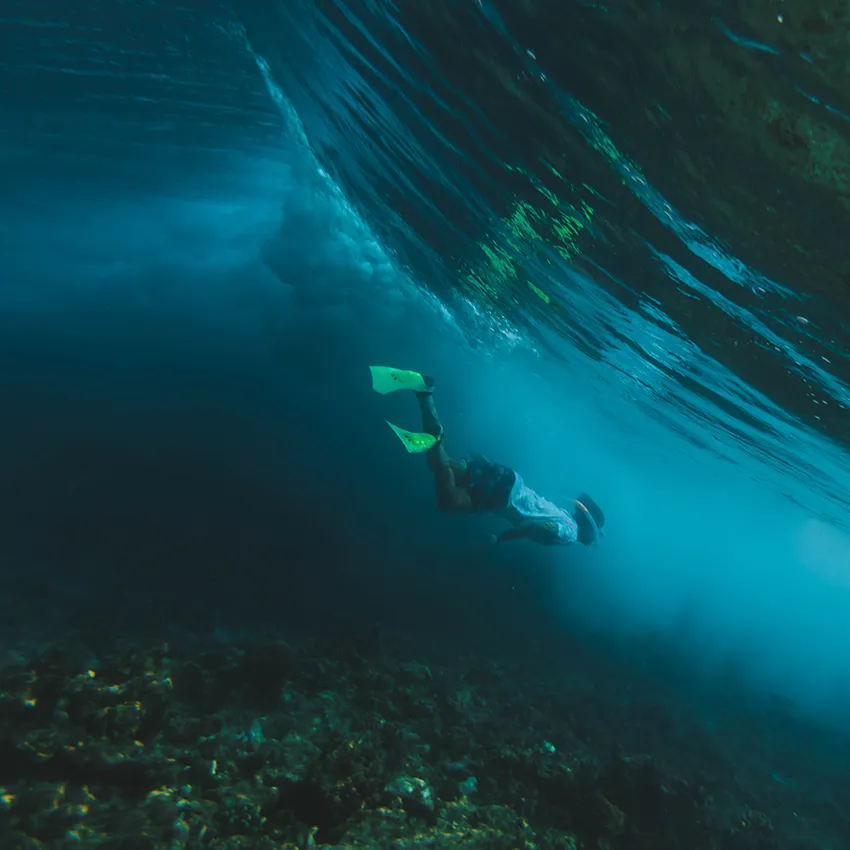
It’s also an unreal place to reset between surfs. Think snorkelling with turtles and rays, sandbank sunsets, fresh seafood, and simple island life when you stay on local islands. Whether you want a relaxed surf-and-wellness vibe or a full surf-focused boat trip, Outer Reef will help you pick the right region and the right season for your level.

Surfing In The Maldives | Complete Safe Travel Guide

Quick Safety Snapshot

Best For
Confident beginners (with the right setup), improvers, intermediates, advanced.
Wave Type
Mostly reef breaks / reef passes.
Main Risks
Shallow coral, reef cuts, strong channel currents, boat transfers, sun/heat, dehydration.
Safest Setup for more Travellers
Guided boat sessions + choosing the right tides + not forcing shallow days.
Outer Reef Approach
Match you to the right atoll + season + accommodation style, then build a plan around safe surf decisions (not ego sessions).
Surf Instructor Course Maldives

Top Surf Regions The Maldives

THE MAIN SURF HUB
North Malé Atoll
The most accessible and surf-rich zone, with the biggest concentration of famous reef breaks and quick transfers from the airport. Great for shorter trips, and anyone who wants maximum surf time with minimal travel.
EASY TO LINK WITH THE NORTH
South Malé Atoll
Another high-quality cluster of reef passes that can be combined with the north, especially on boat trips. A strong option when you want variety — and a great way to dodge winds by choosing the best-facing breaks.
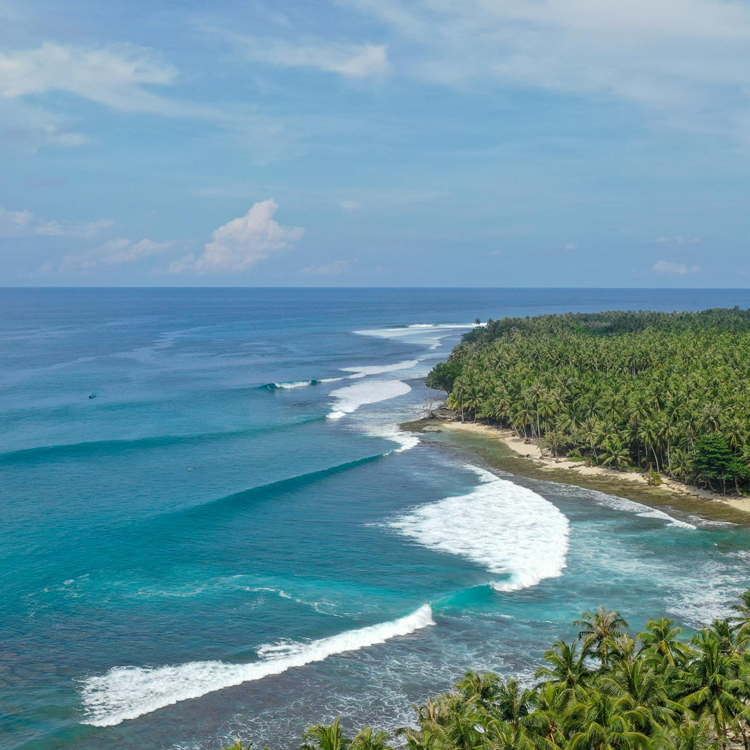
MORE REMOTE MORE ADVENTURE
Central Atolls
A step further out, with less crowd pressure and a more expedition feel. Best done by surf charter so you can move with conditions and explore different atolls without being locked into one zone.
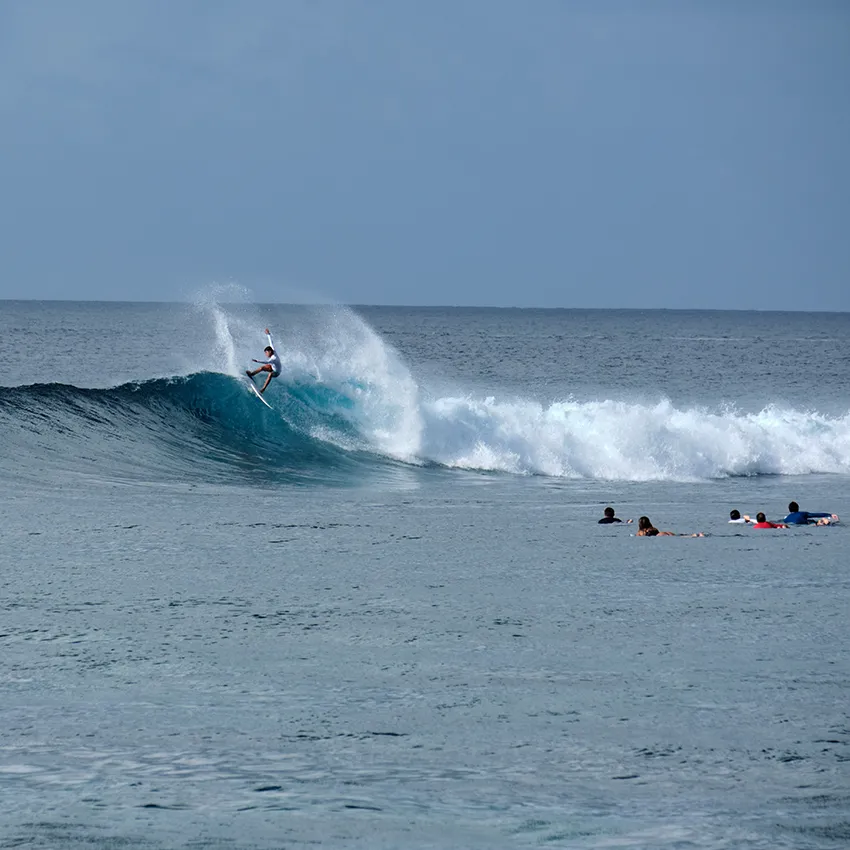
THE HEAVY HITTERS
Southern Atolls
When the Maldives gets serious, it’s often down south. More exposed, more powerful, and better suited to confident surfers who want proper reef surf with that wild, far-flung feel.
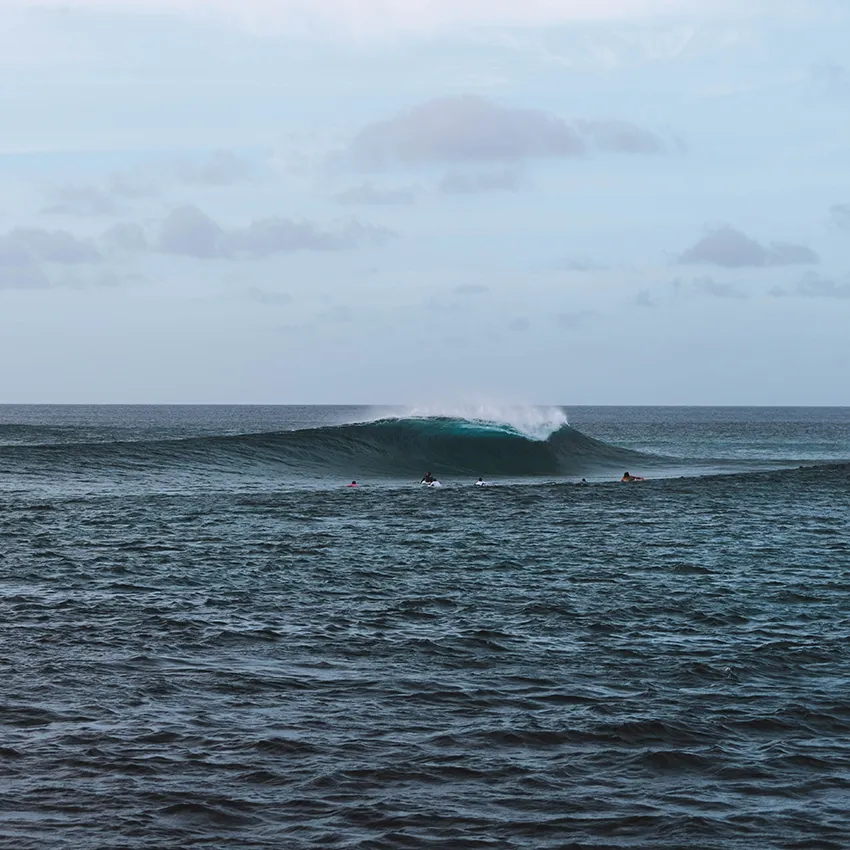
OFF THE BEATEN TRACK
Northern Atolls
A less travelled option with a more remote vibe. This is the choice for surfers who want to escape the main circuits, explore, and build a trip around uncrowded sessions and discovery.

Reef + Boat Safety

The Maldives Difference
Outer Reef will match you to the right setup if you’re new to reef breaks — including the right season, the right tide windows, and the right level of coaching/support.
Reef Awareness
Coral is sharp. Even small slips can cut you up. Pack a basic surf first-aid kit (antiseptic + waterproof plasters) and treat cuts early.
Tide Matters
Many breaks are safer and more forgiving on mid-to-high tide. Low tide can turn a fun wave into a shallow, high-consequence session.
Channels and Currents
Reef passes often have strong water movement. If you’re unsure, don’t paddle blind — ask the boat crew/guide where to sit, where to exit, and what to do if you get swept.
Boat Sessions
Keep your gear simple and secure (leash checked, fins tight, wax sorted). Use a dry bag for phone/sunscreen/water.
Sun + Heat
It’s easy to get cooked here. Zinc, rash vest, hydration, and shade between surfs are non-negotiable.

Our Maldives Surf Camps

The Maldives works brilliantly as either a local island surf base (more culture, more local flavour, easy access to nearby reefs) or as a surf charter (maximum flexibility, more waves, and the ability to chase the best conditions each day). The right option depends on your budget, your confidence on reef, and how much you want to travel between zones.

Outer Reef will help you match your trip to the best season and region for your level — and build the plan around what matters most to you, whether that’s surf progression, a wellness-led escape, or a bucket-list boat trip.

Calaverita Boutique Hotel
Surf And Wellness Thulusdhoo Maldives
A brilliant choice if you want a local island base with easy boat access to nearby reef breaks. Expect warm-water sessions, a relaxed routine, and a trip that balances surf with recovery, good food, and downtime.
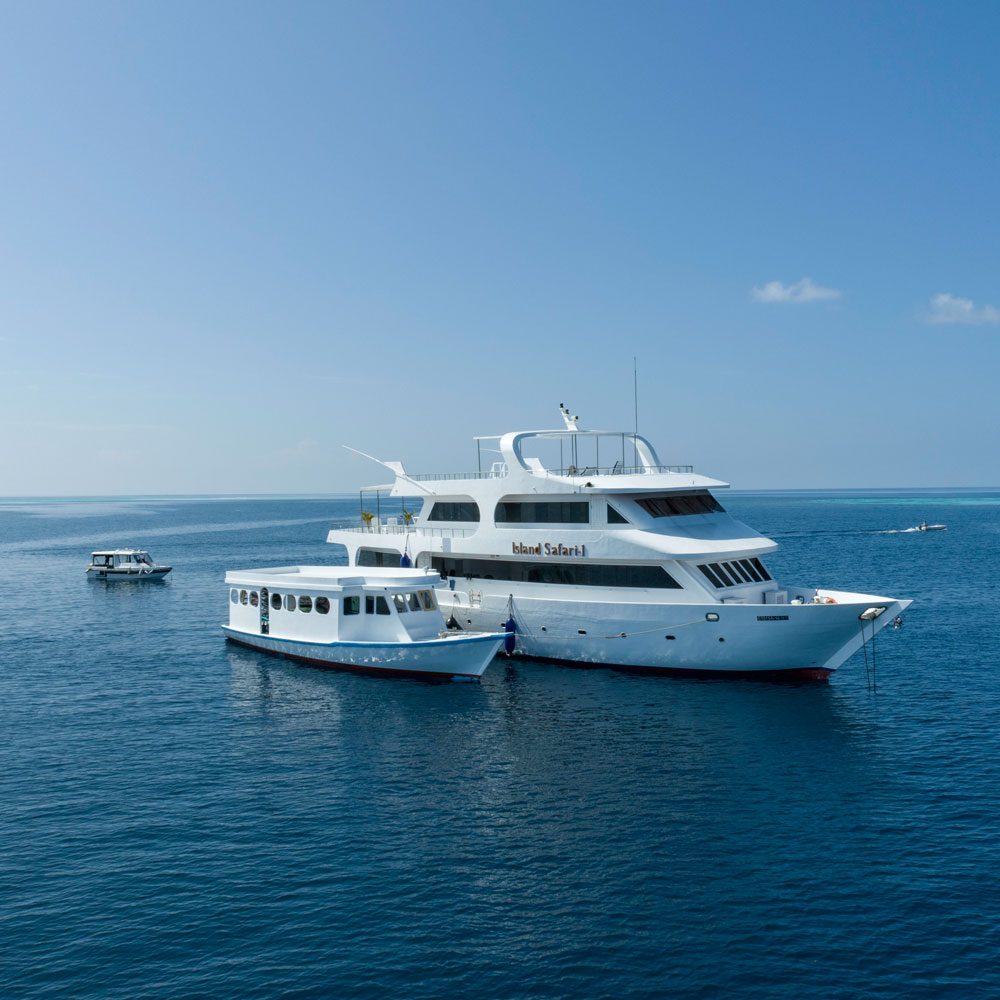
Surf Boat Trip Maldives
Women’s Surf Retreat Maldives
A supportive boat trip that blends guided sessions with community, comfort, and adventure. Ideal if you want the flexibility of a charter and the vibe of a hosted retreat — with surf, snorkelling, and time to switch off.

When To Visit The Maldives

All Year Round Adventure

The Maldives has two main seasons that shape your trip: the Southwest Monsoon (roughly May to October) and the Northeast Monsoon (roughly November to April). For surfers, the Southwest Monsoon is the headline act, with more consistent swell and the best chance of proper reef days, while the Northeast Monsoon tends to bring calmer weather and generally smaller surf.

Region matters too. The Malé Atolls are perfect for shorter trips and easy logistics, while surf charters can open up the Central and Southern Atolls for more variety and a more remote experience. Tell us your level and your ideal vibe, and we’ll point you to the best window and the best area.

PEAK SWELL SEASON
May to September
The most consistent surf window, with regular Indian Ocean swell and plenty of proper reef days. Great for intermediates and above — and perfect for surf charters that can hunt the cleanest corners.
SMOOTH AND MANAGEABLE
March to April
A strong shoulder-season option if you want fun waves without everything feeling too intense. Often a great balance for improvers who want quality surf but a slightly softer pace.
LATE SEASON PULSE
October to November
Another shoulder window that can still deliver excellent surf, often with a quieter feel. A good time to build a trip around flexibility, especially if you’re open to moving zones.
SUN AND CALM LAGOONS
December to February
Typically calmer conditions and generally smaller surf, which can suit beginners and relaxed surf holidays. If your priority is sunshine, clear water, and mixing surf with snorkelling and island time, this can be a great fit.

Things To Do Between Surfs In The Maldives

Underwater World
The Maldives is unreal beneath the surface. Easy snorkels from the beach, guided trips to reefs, and warm-water lagoon swims are the perfect reset after a surf.
Diving With Mantas And Whale Sharks
Depending on season and location, you can plan dive days around marine life hotspots. This is one of the best places on earth to combine surf with big ocean experiences.
Post-Surf Magic
Simple, unforgettable moments: sandbank picnics, boat trips at golden hour, and that glassy-water calm that makes the Maldives feel like a dream.
Local Food And Culture
On local islands you can slow the pace right down. Explore small streets, eat fresh fish and island staples, and experience a quieter, more real side of the Maldives between sessions.

Getting There And Transport In The Maldives

The Main Arrival Point
International flights arrive into Malé (Velana International Airport). From there, your transfers depend on where you’re staying — usually by speedboat for nearby islands or by domestic flight and boat for further atolls.
How You Move Around
Local island bases often use scheduled or private speedboats. For more remote zones, domestic flights can be part of the journey. Surf charters usually start and end around Malé, then move through surf zones by boat.
Local Island Tips
Reef breaks mean reef awareness: consider reef boots if you’re not used to coral, bring strong sun protection, and pack light, breathable layers for island evenings. A small day bag for boat sessions is always useful.
Entry Requirements And Travel Rules
Entry rules can change, so always check official guidance before you fly. As a general rule, make sure your passport is valid for your trip, complete any required traveller forms, and keep proof of onward travel and accommodation handy.

FAQs About Surfing In The Maldives

What Is The Best Time To Surf The Maldives?
For the most consistent swell, the key window is usually May to October. Shoulder months can still be excellent, and the calmer season can suit beginners and relaxed surf holidays.
Is The Maldives Good For Beginner Surfers?
Yes — but the Maldives is mainly reef breaks, so we match beginners to the right spots, the right tides, and the right coaching support. If you’re a total beginner, we’ll guide you towards the most forgiving setups and the best season.
Do I Need Reef Boots For Surfing In The Maldives?
It depends on your confidence and where you surf, but many people like having reef boots for extra confidence when launching, landing, or dealing with shallow sections on smaller tides.
Should I Stay On A Local Island Or Do A Surf Charter?
Local islands are great for culture, value, and a fixed base. Charters are best for flexibility and scoring the best conditions each day. We can recommend the best fit based on your level, budget, and surf goals.
What Currency Do I Need In The Maldives?
The official currency is the Maldivian Rufiyaa (MVR). Cards are widely used in many tourist settings, but it’s smart to carry some cash for small purchases and tips, especially on local islands.
Can You Drink Alcohol In The Maldives?
The Maldives is a Muslim country. Alcohol is available on resort islands, but you should not take alcohol out of resorts or drink on inhabited local islands.
What Are The Visa And Entry Requirements For The Maldives?
Requirements depend on your nationality and can change, so always check official guidance before travel. Many tourists receive a visa on arrival, and you may need to complete a traveller declaration form before you arrive, plus show onward travel and accommodation.
How Do I Get From The Airport To My Island Or Boat?
Nearby islands are usually reached by speedboat, while further atolls may involve a domestic flight and boat transfer. Surf charters typically arrange pick-up and drop-off around Malé.